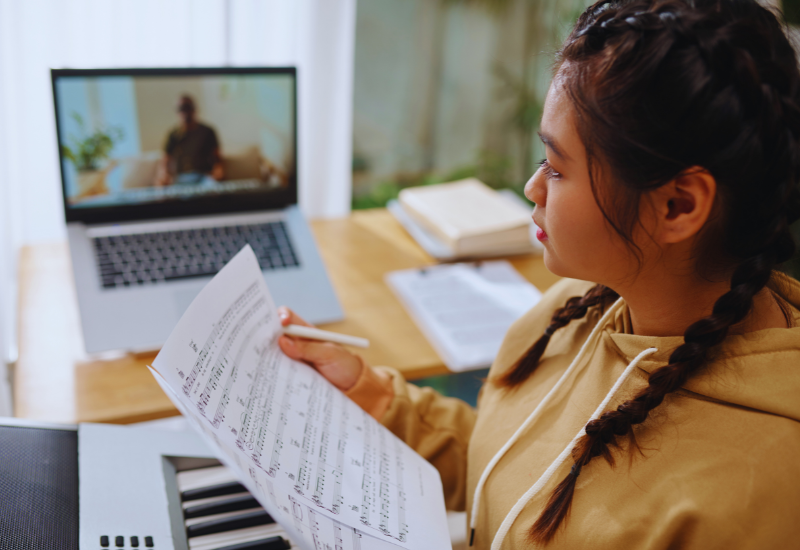
The way we learn and engage with the world has undergone a massive transformation in recent years, and music education is no exception. Gone are the days when learning an instrument meant commuting to a physical class, lugging around instruments, or adhering to rigid schedules. Today, the magic of technology allows you to master your favorite tunes right from the comfort of your home—yes, even in your pajamas! This shift to online music education has not only revolutionized accessibility but also enhanced the learning experience for students of all ages. Let’s explore how virtual music classes are democratizing music education and making it more appealing and convenient than ever. Breaking Barriers: Accessibility for All One of the most significant advantages of online music classes is the accessibility they provide. Traditionally, music education required physical proximity to a qualified teacher or institution, which often posed challenges for those living in remote areas. Now, with a stable internet connection, students can connect with top-notch instructors from anywhere in the world. For individuals with mobility issues or those juggling busy schedules, this mode of learning is a game-changer. Whether you’re a working professional, a stay-at-home parent, or a student with a packed academic calendar, online classes allow you to tailor your music lessons around your life, not the other way around. Personalized Learning Experience Online music platforms often offer a range of customizable features to enhance the learning journey. From video tutorials to live one-on-one sessions, students can choose what works best for their learning style. Instructors can also leverage technology to provide immediate feedback, share recordings, and track progress through interactive tools. Moreover, many platforms allow learners to revisit recorded sessions, enabling them to practice and refine their skills at their own pace. This flexibility fosters a more personalized and effective learning experience, helping students to grasp complex concepts or techniques without feeling rushed. Cost-Effective Learning Music education can be expensive, especially when factoring in travel costs, tuition fees, and the price of learning materials. Online music classes often prove to be a more cost-effective alternative. Many platforms offer subscription-based models, providing access to a wide range of lessons at a fraction of the cost of traditional in-person instruction. Additionally, digital resources like sheet music, instructional videos, and practice apps are often included in these packages, further reducing the financial burden on students. Building a Global Community One of the most exciting aspects of online music education is the sense of community it fosters. Virtual classrooms connect students and teachers across the globe, creating a rich, multicultural environment. Through group lessons, forums, and online recitals, learners can share their progress, exchange ideas, and gain inspiration from others. This global connectivity not only enhances the learning experience but also exposes students to diverse musical styles and traditions, broadening their horizons and enriching their understanding of music. Learning in Comfort, Growing with Confidence Perhaps the most appealing aspect of online music education is its inherent comfort. Learning in a familiar environment helps reduce anxiety, especially for beginners who might feel self-conscious about their skills. This comfort can lead to increased confidence, encouraging students to experiment and explore their musical potential more freely. And yes, learning in your pajamas adds a touch of fun and relaxation to the process, making the journey of mastering an instrument less intimidating and more enjoyable. Conclusion Online music classes have redefined the boundaries of traditional education, making it more inclusive, flexible, and engaging. Whether you’re picking up an instrument for the first time or refining your existing skills, the digital realm offers a plethora of opportunities to grow as a musician. So, grab your instrument, cozy up in your favorite pajamas, and embark on a musical adventure from the comfort of your home!
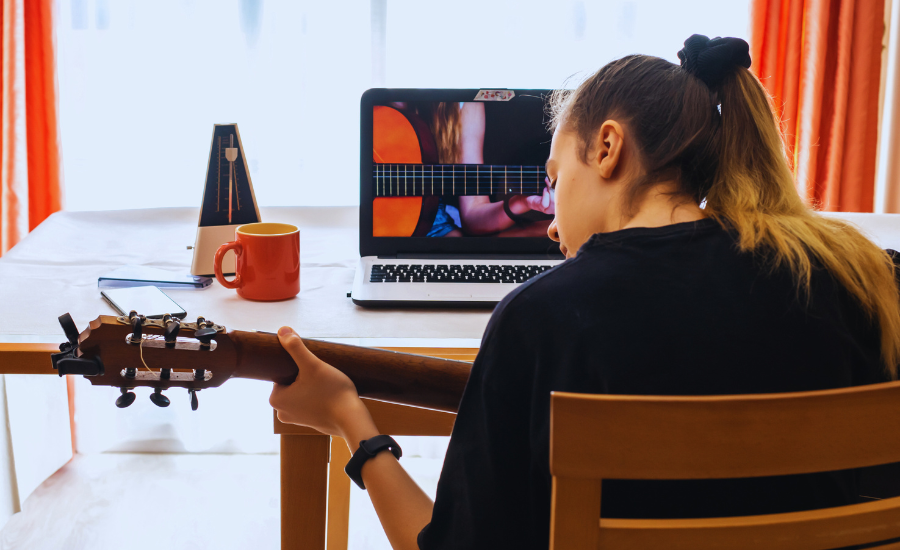
Striking a Chord: The Benefits of Online Music Classes for Aspiring Musicians
In today’s digital age, learning an instrument or advancing your musical skills has never been more accessible. Whether you’re a complete beginner or an experienced musician looking to hone your craft, online music classes offer a wealth of opportunities. With the ability to learn from anywhere, at any time, and with a wide range of instructors and resources, online music education is transforming the way aspiring musicians approach their training. Access to a World of Expertise One of the greatest benefits of online music lessons is the opportunity to learn from world-class instructors, regardless of location. Traditional in-person lessons often limit you to local teachers, but online platforms open up a global pool of talented musicians and educators. You can choose a teacher whose style, background, and approach align with your personal musical goals. Whether you’re into classical, jazz, rock, or electronic music, there’s an instructor who can guide you through every step of your learning journey. Flexible Learning Schedules For many aspiring musicians, the biggest barrier to traditional lessons is time. Between school, work, family commitments, and personal life, finding time for regular in-person classes can be challenging. Online music lessons provide the flexibility to learn at your own pace and on your own schedule. You can choose when and where you practice, fitting lessons into your life rather than trying to squeeze your life into fixed lesson times. Affordability and Cost-Effectiveness Traditional music lessons can be expensive, especially when you factor in travel time, transportation costs, and the fees associated with private tutors. Online music classes can often be more affordable, with a variety of pricing options and subscription models available. Many platforms offer tiered pricing, allowing you to choose from pre-recorded courses, live sessions, or personalized one-on-one lessons based on your budget. Plus, you can eliminate the costs associated with travel, making it a more cost-effective option for students of all ages. Tailored Learning Experiences Every musician has unique strengths, weaknesses, and learning styles. Online music classes give you the opportunity to customize your education to suit your individual needs. Many platforms offer courses that cover a wide range of techniques, music theory, and genres, so you can pick and choose the areas you want to focus on. Whether you’re working on fingerpicking for guitar, improvisation for jazz, or ear training for composition, online resources provide a flexible and personalized experience that lets you dive deep into specific topics. Learn at Your Own Pace The self-paced nature of online music classes is one of their most attractive features. Unlike traditional lessons, where you may feel pressured to keep up with the pace set by your teacher, online courses allow you to take your time with each lesson. If you need extra practice on a particular skill or concept, you can revisit lessons as many times as needed. For those who thrive on independence and enjoy mastering techniques in their own time, this can be an invaluable benefit. Wide Range of Learning Resources The online music learning space is not limited to just video lessons. You’ll find a treasure trove of supporting materials such as sheet music, backing tracks, instructional books, and more. Many platforms also offer community forums, where you can ask questions, share your progress, and interact with fellow musicians. This creates an environment where you’re not just learning from a teacher but also gaining insight from peers who share your passion and goals. Global Community and Networking Opportunities One of the unique aspects of online music classes is the opportunity to connect with a global community of musicians. Whether you’re in a small town or a bustling city, online platforms allow you to network, collaborate, and learn from people across the globe. This exposure to diverse musical traditions and techniques can enrich your own playing and inspire new creative ideas. You might even find new collaborators for projects, from jam sessions to online performances, building your network of musical contacts no matter where you are. Consistent Feedback and Progress Tracking Progress tracking is essential for any musician, but it’s often difficult to gauge improvement in traditional settings. Online music classes often come with built-in progress tracking tools that help you set goals, track your improvement, and stay motivated. Many platforms also offer constructive feedback from teachers, whether it’s through video critiques, written feedback, or live one-on-one sessions. This allows you to make consistent progress and ensures you’re always working toward your musical aspirations. Convenience of Learning From Home The most obvious benefit of online music lessons is the convenience. There’s no need to leave your home, search for parking, or work around a tutor’s schedule. Whether you’re learning guitar in your living room, practicing piano at your kitchen table, or taking voice lessons in your bedroom, you have everything you need at your fingertips. This removes distractions and allows you to create a comfortable learning environment where you can focus entirely on your music. Inspiration and Motivation Finally, online music classes can offer the inspiration and motivation you need to keep playing and progressing. Many platforms offer access to exclusive performances, masterclasses, and workshops with well-known musicians. Seeing professionals perform or getting direct advice from seasoned players can reignite your passion for music and push you to reach new heights in your own practice. Conclusion The world of music education is no longer limited by geography, time, or resources. Online music classes have made learning an instrument, mastering new skills, and achieving your musical dreams more attainable than ever. From the flexibility of schedules to the wealth of resources available at your fingertips, online music lessons provide an enriching and personalized experience for aspiring musicians of all ages. If you’re ready to strike the right chord in your musical journey, it’s time to take advantage of the incredible benefits that online music education has to offer. Whether you’re learning for fun, working toward a professional career, or just enjoying the creative process, the world of music is waiting for you to play your part.

Building a Musical Community: The Benefits of Joining Music Classes in Mumbai
In a bustling metropolis like Mumbai, where the rhythm of life never seems to slow down, the desire for artistic expression often finds its home in music. For many aspiring musicians, joining offline music classes is not just about learning to play an instrument or singing—it’s about becoming part of a vibrant community. This article explores the myriad benefits of participating in offline music classes in Mumbai and how they can foster a sense of belonging, creativity, and personal growth. Connection with Like-Minded Individuals One of the most rewarding aspects of joining offline music classes is the opportunity to connect with others who share a passion for music. Shared Interests: In a class setting, students bond over their mutual love for music, fostering friendships that can extend beyond the classroom. This shared interest creates an immediate sense of camaraderie, making it easier to form connections. Networking Opportunities: Building relationships with fellow students and instructors can lead to valuable networking opportunities. Collaborating with other musicians can enhance your skills and lead to potential performances, jam sessions, and projects. Personalized Learning Experience While online classes offer convenience, offline music classes provide an interactive environment that facilitates personalized learning. Immediate Feedback: Instructors can offer real-time feedback and hands-on guidance, allowing students to improve more effectively. This tailored instruction is particularly beneficial for beginners who may need extra support in mastering techniques. Adaptable Teaching Styles: Face-to-face interactions allow teachers to adapt their teaching methods based on individual learning styles, ensuring that each student receives the attention and instruction they need. Motivation and Accountability Participating in offline music classes fosters a structured environment that can enhance motivation and commitment. Regular Class Schedule: Committing to a set schedule encourages students to practice consistently. Knowing they have classes to attend can instill a sense of accountability, prompting students to dedicate time to their musical development. Peer Encouragement: Learning alongside others creates a supportive atmosphere where students motivate each other. Celebrating each other’s progress can inspire individuals to push through challenges and stay committed to their goals. Performance Opportunities One of the significant advantages of joining offline music classes is the wealth of performance opportunities they offer. Recitals and Showcases: Many music schools in Mumbai organize recitals and showcases, giving students the chance to perform in front of an audience. These experiences not only build confidence but also help students learn how to manage performance anxiety. Collaborative Projects: Participating in group classes often leads to collaborations, such as forming bands or ensembles. Playing with others enhances musical skills and prepares students for real-world performance scenarios. Access to Local Musical Heritage Mumbai boasts a rich and diverse musical culture, and offline classes provide a unique opportunity to connect with this heritage. Cultural Insights: Local music instructors can share insights into various musical styles, genres, and traditions specific to Mumbai and India as a whole. This cultural context enriches the learning experience and deepens students’ appreciation for their art. Exploration of Genres: Students can explore various genres—ranging from classical Indian music to contemporary styles—under the guidance of knowledgeable instructors, allowing for a well-rounded musical education. Enhanced Focus and Engagement Learning in a dedicated music studio or classroom allows for a focused and immersive experience that is often hard to replicate in an online setting. Minimized Distractions: Offline classes provide a structured environment free from home distractions, enabling students to concentrate fully on their lessons. Interactive Learning: The face-to-face nature of offline classes encourages engagement, with opportunities for discussions, questions, and group activities that enhance understanding and retention. Conclusion Joining music classes in Mumbai is more than just an educational endeavor; it’s an opportunity to build a thriving musical community. From forming friendships with like-minded individuals to enjoying personalized instruction and performance opportunities, the benefits of engaging in face-to-face music education are invaluable. As students connect with their peers and immerse themselves in the local musical culture, they not only enhance their musical skills but also create lasting memories and relationships. Whether you are a beginner or an experienced musician, participating in offline music classes can lead to personal growth, creativity, and a profound sense of belonging in the vibrant tapestry of Mumbai’s music scene.
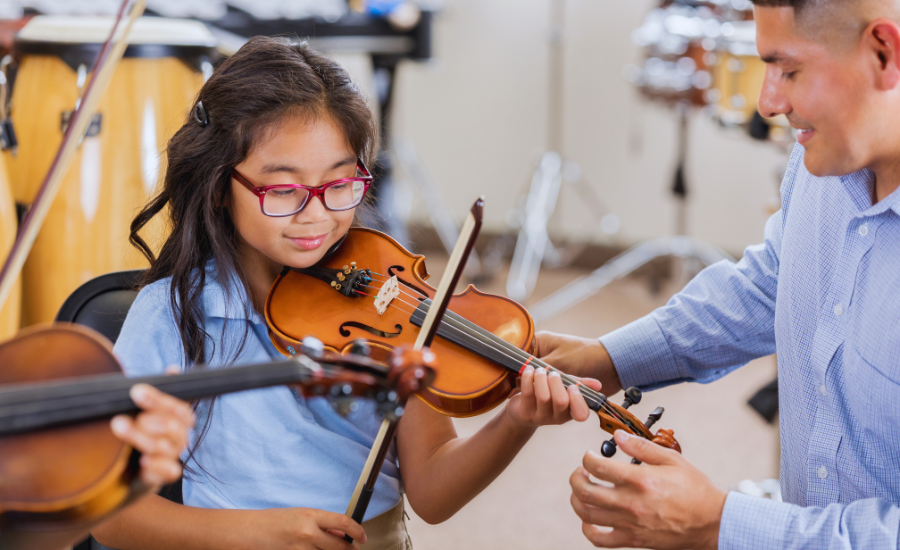
Music and Mental Health: How Learning an Instrument Can Boost Your Well-being
In recent years, mental health awareness has gained significant traction, with more people realizing the importance of taking care of their mental and emotional well-being. Among the various activities known to improve mental health, learning an instrument stands out as a powerful and transformative tool. Music has long been associated with emotional expression, relaxation, and cognitive benefits, but the act of learning and playing an instrument goes even deeper. Let’s explore how learning an instrument can positively impact mental health and boost overall well-being. 1. Stress Reduction and Relaxation Life can often feel overwhelming, with work pressures, personal challenges, and the constant buzz of daily responsibilities. Learning an instrument offers a break from these stresses. When you play music, your focus shifts entirely to the task at hand—reading sheet music, mastering finger placements, or getting the rhythm right. This intense focus acts as a form of mindfulness, pulling your attention away from stressful thoughts. Moreover, playing soothing or familiar melodies can have a calming effect, similar to meditation. Research has shown that engaging with music can lower cortisol levels (a hormone associated with stress), helping to reduce anxiety and promote relaxation. 2. Emotional Expression and Release Music is often described as the language of emotions, and learning to play an instrument allows individuals to express feelings they may otherwise struggle to communicate. Whether it’s the frustration of a challenging day or the joy of a personal achievement, music provides an outlet to channel and process emotions. For individuals dealing with anxiety, depression, or mood swings, playing an instrument can offer a therapeutic release. The act of creating music helps externalize internal struggles, allowing for emotional processing in a healthy and constructive way. 3. Improved Cognitive Function Learning an instrument is not only good for emotional well-being but also enhances cognitive functions, which can positively affect mental health. The process of reading music, coordinating hand movements, and keeping rhythm engages multiple areas of the brain. Over time, this can improve memory, attention, and problem-solving skills. For those experiencing cognitive decline or memory-related challenges, playing music has been shown to be particularly beneficial. Studies have found that individuals who engage with music regularly are less likely to suffer from dementia and other cognitive impairments as they age. This mental stimulation can significantly boost confidence and improve overall well-being. 4. Boosting Self-esteem and Confidence Mastering an instrument is no easy feat. It requires dedication, practice, and perseverance. However, the sense of accomplishment that comes with learning to play a new piece or mastering a difficult technique can provide a huge confidence boost. This boost in self-esteem extends beyond music. The discipline and resilience learned through practicing an instrument can translate into other areas of life, empowering individuals to take on new challenges and believe in their capabilities. 5. Social Connections and Community While learning an instrument can be a solo activity, it also has the potential to create social bonds. Joining a band, participating in group lessons, or even playing with friends fosters a sense of community. These social interactions are essential for mental health, providing support networks and reducing feelings of isolation. In today’s digital age, online music communities offer a way to connect with fellow musicians worldwide. Whether you’re learning through online music classes or performing virtually, the shared experience of music helps foster connections and alleviate loneliness. 6. Mindfulness and Focus Playing an instrument requires full concentration, which helps redirect your mind away from worries or intrusive thoughts. This focus on the present moment is similar to the concept of mindfulness, where you bring your attention to the now without judgment. By immersing yourself in playing music, you practice being in the present, reducing rumination and anxiety. Many people find that music helps them enter a flow state—a psychological condition where you’re fully absorbed in what you’re doing, losing track of time and space. This flow experience has been linked to greater happiness and fulfillment. 7. Music as a Tool for Healing Music therapy has long been used as a formal treatment for a range of mental health conditions. For individuals dealing with PTSD, trauma, or grief, learning an instrument can be an integral part of their recovery. Through guided sessions, therapists use music to help individuals process difficult emotions and foster resilience. Even outside of formal therapy, many people turn to their instruments as a form of self-care and healing. Playing music can serve as a gentle reminder of their inner strength, helping them cope with life’s difficulties. Conclusion Learning an instrument offers numerous mental health benefits that extend beyond just enjoying music. From reducing stress to enhancing cognitive function and building social connections, the act of creating music can profoundly improve well-being. In today’s fast-paced world, taking the time to sit with an instrument and immerse yourself in the sounds you create can be a powerful form of self-care. Whether you’re learning through online music classes or attending music classes in Mumbai, the emotional and cognitive benefits of playing an instrument are undeniable. Music has the power to heal, connect, and transform, making it one of the most accessible and effective tools for boosting mental health.

The Science of Music: How Learning an Instrument Enhances Brain Function
Music has long been revered as a universal language, capable of evoking deep emotions and connecting people across cultures. But beyond its aesthetic and emotional appeal, music has a profound impact on the brain. Recent scientific research has illuminated how learning to play an instrument can enhance brain function in remarkable ways, providing benefits that extend far beyond musical proficiency. The Brain on Music: An Overview When you learn to play an instrument, your brain undergoes significant changes. This process, known as neuroplasticity, refers to the brain’s ability to reorganize itself by forming new neural connections. These changes are not merely superficial; they involve complex interactions between various regions of the brain, enhancing cognitive abilities and overall brain health. Enhanced Memory and Cognitive Function One of the most well-documented benefits of learning an instrument is the enhancement of memory. Musicians often have superior working memory, which is the ability to hold and manipulate information in the mind over short periods. This skill is crucial for daily tasks such as problem-solving, language comprehension, and following instructions. Playing an instrument requires the simultaneous processing of multiple types of information: reading music, timing, pitch, and coordination. This multi-sensory engagement strengthens the brain’s memory centers, particularly the hippocampus. Studies have shown that musicians have larger hippocampi compared to non-musicians, indicating a greater capacity for memory retention and retrieval. Improved Executive Function Executive function encompasses a set of cognitive processes that include problem-solving, planning, attention, and impulse control. Learning an instrument is a comprehensive workout for these skills. For instance, reading sheet music demands constant attention and quick decision-making. Musicians must anticipate upcoming notes, adjust their playing in real-time, and maintain focus despite distractions. Research has found that musicians often exhibit enhanced executive function compared to non-musicians. This improvement is linked to increased activity in the prefrontal cortex, the brain region responsible for these higher-order cognitive processes. Consequently, musicians are generally better at multitasking, managing time, and staying organized. Language and Literacy Skills Music and language share overlapping neural networks, meaning that musical training can significantly benefit language skills. Playing an instrument enhances phonological awareness, the ability to recognize and manipulate sounds. This skill is fundamental for reading and language development in children. Moreover, musical training improves verbal memory and linguistic abilities. Musicians tend to have a heightened ability to learn new languages, comprehend complex texts, and articulate thoughts clearly. These advantages stem from the brain’s enhanced ability to process auditory information and discern subtle differences in sound patterns. Emotional and Social Intelligence Beyond cognitive benefits, learning an instrument also nurtures emotional and social intelligence. Music is an expressive art form, allowing individuals to convey and process emotions. Playing music can reduce stress, alleviate anxiety, and improve overall mood. These emotional benefits are tied to the brain’s release of dopamine, a neurotransmitter associated with pleasure and reward. Furthermore, group music classes and ensemble playing foster social interaction and collaboration. Musicians learn to listen, respond, and synchronize with others, enhancing their empathy and communication skills. These social experiences contribute to a sense of belonging and improve interpersonal relationships. Long-Term Brain Health Engaging in musical activities has long-term benefits for brain health, particularly in aging populations. Studies have shown that older adults who continue to play instruments maintain better cognitive function and have a lower risk of neurodegenerative diseases such as Alzheimer’s. The cognitive reserve built through years of musical practice helps protect the brain against age-related decline. Conclusion The science of music reveals that learning an instrument is not merely an artistic pursuit but a powerful tool for enhancing brain function. From improved memory and cognitive skills to heightened emotional and social intelligence, the benefits of musical training are extensive and enduring. Whether you are a child beginning your musical journey or an adult seeking new challenges, playing an instrument offers a profound and rewarding way to enrich your brain and your life. So, pick up that instrument, embrace the challenge, and let the music transform your mind.

Music Education: Fostering Social Skills and Cultural Awareness
1. Collaboration and Teamwork: Music education often involves participating in ensembles, bands, orchestras, or choirs. Working together with others towards a common goal fosters collaboration and teamwork. Students learn how to listen to and blend with others, follow a conductor or leader, and contribute to a harmonious and unified performance. 2. Communication Skills: Music requires effective communication between Musicians. Whether it’s through eye contact, body language, or verbal cues, musicians learn to communicate and coordinate their playing. They also develop active listening skills, as they must listen to others while playing their own instrument or singing. 3. Empathy and Sensitivity: Playing music involves understanding and empathizing with the emotions and intentions conveyed in the music. Musicians learn to interpret and express emotions through their playing, and they develop sensitivity towards the emotions conveyed by others. This cultivates empathy and emotional intelligence, which are essential for building positive relationships. 4. Respect and Appreciation for Differences: Music encompasses a wide range of styles, genres, and cultural traditions. Learning music exposes students to diverse musical experiences and perspectives. By studying and appreciating different musical styles and traditions, students develop respect for cultural differences and learn to embrace diversity. 5. Peer Feedback and Support: In music classes or ensembles, students often provide feedback and support to one another. They learn to give constructive criticism, offer encouragement, and help each other improve their musical skills. This fosters a supportive and nurturing environment where students learn from each other and grow together. 6. Performance Opportunities: Music education provides opportunities for students to perform in front of others, whether it’s in school concerts, recitals, or community events. Performing in front of an audience helps students overcome stage fright, build confidence, and develop public speaking skills. It also fosters a sense of community and connection with the audience. 7. Social Bonds and Friendships: Music classes and ensembles provide a social setting where students with similar interests can connect and form friendships. Shared experiences, rehearsals, and performances create a sense of camaraderie and belonging. Students often build lifelong friendships through their shared love for music. 8. Cultural Awareness and Inclusion: Music is a universal language that transcends cultural boundaries. By studying music from different cultures, students gain a deeper understanding and appreciation for diverse traditions and perspectives. This promotes cultural awareness, inclusion, and respect for all individuals. Overall, learning music encourages social interaction, communication, empathy, and collaboration. 8. Cultural Awareness and Inclusion: Music is a universal language that transcends cultural boundaries. By studying music from different cultures, students gain a deeper understanding and appreciation for diverse traditions and perspectives. This promotes cultural awareness, inclusion, and respect for all individuals. Overall, learning music encourages social interaction, communication, empathy, and collaboration. It provides a platform for students to connect with others, develop important social skills, and build meaningful relationships.