

Why Every Child Should Experience Music Education at an Early Age
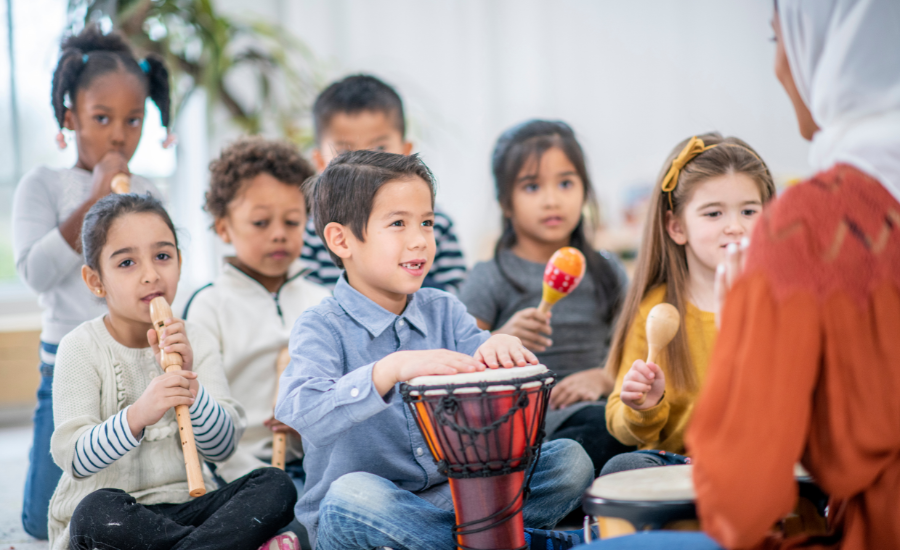
Why Every Child Should Experience Music Education at an Early Age Manoj Kumar September 24, 2026 What happens when a child learns to play a musical instrument? They don’t just learn notes. They learn to listen, concentrate, practise, express emotions, solve problems and perform with confidence. Music education can become much more than an after-school activity. When introduced at an early age, it can become a creative space where children discover their abilities while having fun. 🎧 1. Music Trains Children to Listen Before children learn to play, they learn to listen. Recognising rhythm, pitch, tempo and changes in sound encourages children to pay attention to details. These listening skills can also become useful when they communicate, follow instructions and participate in group activities. 🧠 2. It Makes Learning More Engaging Have you noticed how quickly children become interested when learning feels like play? Music combines sounds, movement, repetition and creativity. Whether a child is learning guitar, keyboard, drums or violin, lessons can turn practice into an enjoyable learning experience. Instead of simply memorising information, children actively participate. 🎹 3. Learning an Instrument Teaches Patience A child rarely plays a song perfectly on the first attempt—and that’s actually a good thing. Learning an instrument teaches children that improvement takes time. First attempt → Practice → Small improvement → More practice → Confidence This simple cycle can help children understand the value of persistence and consistent effort. 🥁 4. Music Encourages Creativity Music gives children an opportunity to experiment. They can explore different sounds, rhythms and melodies. As their skills develop, they can eventually begin creating their own musical ideas. This freedom to experiment can encourage children to think creatively rather than always looking for one “correct” answer. 🎤 5. It Can Build Performance Confidence Performing in front of parents, teachers or classmates can feel intimidating at first. But every small performance can become a confidence-building experience. A child who learns to stand on stage, remember a piece and complete a performance can gradually become more comfortable expressing themselves in front of others. 👥 6. Music Can Teach Teamwork Music doesn’t always happen alone. Group classes, ensembles and performances teach children how to listen to others, maintain rhythm and contribute to a shared performance. One child may play the drums while another plays guitar or violin. Everyone has a role—and everyone needs to work together. ❤️ 7. Most Importantly, It Should Be Fun Perhaps the biggest question isn’t: “How quickly can my child become an excellent musician?” It’s: “Does my child enjoy making music?” Children are more likely to stay engaged when lessons match their age, interests and learning style. A supportive teacher can make the process enjoyable while gradually introducing discipline and technique. 🎶 When Should Your Child Start? There is no single “perfect” age for every child. Some children may show interest in music very early, while others may become curious later. What matters is creating an opportunity to explore music without making it feel like a compulsory academic subject. For parents looking for music classes in Mumbai, consider the teaching approach, class environment, instrument options and opportunities for children to practise and perform. 🌟 A Small Musical Beginning Can Go a Long Way Your child doesn’t have to become a professional musician. They might simply discover a favourite instrument. They might make new friends. They might become more confident. Or they might discover a lifelong love for music. And sometimes, that’s the real value of music education—not creating the next superstar, but giving a child a creative skill they can carry with them for life. 🎵 Tags : Violin Lessons Share This : Recent Posts Why Every Child Should Experience Music Education at an Early AgeSeptember 24, 2026 How Music Classes Help Children Develop Discipline and CreativitySeptember 2, 2026 The Joy of Learning Violin at Any Age: It’s Never Too Late to StartJuly 20, 2026 Categories Violin Classes Singing Journey Online Music Students Online Drum Online Classes Have Any Question? Learn guitar, keyboard, vocals, drums and music production with expert trainers today. +91-87776 29296 deyzmusic5@gmail.com
Music Education: Fostering Social Skills and Cultural Awareness
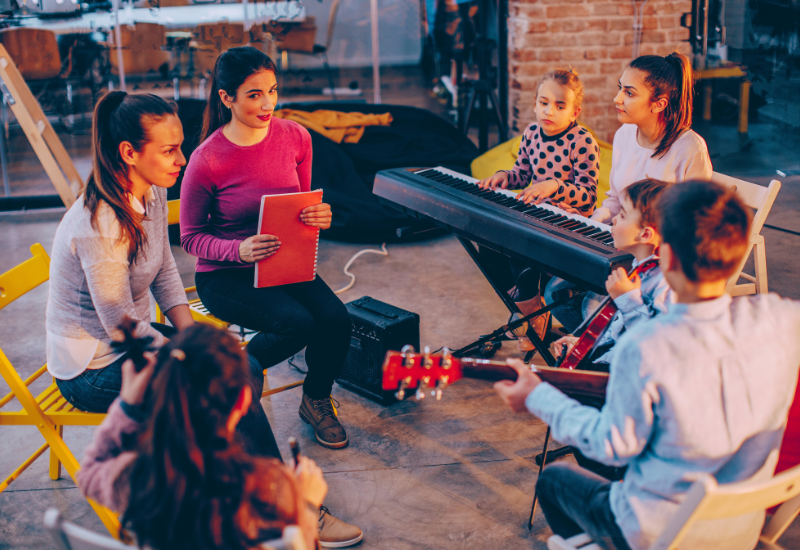
Music Education: Fostering Social Skills and Cultural Awareness Admin June 29, 2025 1. Collaboration and Teamwork: Music education often involves participating in ensembles, bands, orchestras, or choirs. Working together with others towards a common goal fosters collaboration and teamwork. Students learn how to listen to and blend with others, follow a conductor or leader, and contribute to a harmonious and unified performance. 2. Communication Skills: Music requires effective communication between Musicians. Whether it’s through eye contact, body language, or verbal cues, musicians learn to communicate and coordinate their playing. They also develop active listening skills, as they must listen to others while playing their own instrument or singing. 3. Empathy and Sensitivity: Playing music involves understanding and empathizing with the emotions and intentions conveyed in the music. Musicians learn to interpret and express emotions through their playing, and they develop sensitivity towards the emotions conveyed by others. This cultivates empathy and emotional intelligence, which are essential for building positive relationships. 4. Respect and Appreciation for Differences: Music encompasses a wide range of styles, genres, and cultural traditions. Learning music exposes students to diverse musical experiences and perspectives. By studying and appreciating different musical styles and traditions, students develop respect for cultural differences and learn to embrace diversity. 5. Peer Feedback and Support: In music classes or ensembles, students often provide feedback and support to one another. They learn to give constructive criticism, offer encouragement, and help each other improve their musical skills. This fosters a supportive and nurturing environment where students learn from each other and grow together. 6. Performance Opportunities: Music education provides opportunities for students to perform in front of others, whether it’s in school concerts, recitals, or community events. Performing in front of an audience helps students overcome stage fright, build confidence, and develop public speaking skills. It also fosters a sense of community and connection with the audience. 7. Social Bonds and Friendships: Music classes and ensembles provide a social setting where students with similar interests can connect and form friendships. Shared experiences, rehearsals, and performances create a sense of camaraderie and belonging. Students often build lifelong friendships through their shared love for music. 8. Cultural Awareness and Inclusion: Music is a universal language that transcends cultural boundaries. By studying music from different cultures, students gain a deeper understanding and appreciation for diverse traditions and perspectives. This promotes cultural awareness, inclusion, and respect for all individuals. Overall, learning music encourages social interaction, communication, empathy, and collaboration. Tags : Share This : Recent Posts The Joy of Learning Violin at Any Age: It’s Never Too Late to StartJuly 20, 2026 Music and Mental Health: How Learning an Instrument Can Boost Your Well-beingJune 17, 2026 From Bedroom to Stage: How Music Classes Online Are Creating Confident PerformersMarch 27, 2026 Categories Violin Classes Singing Journey Online Music Students Online Drum Online Classes Have Any Question? Learn guitar, keyboard, vocals, drums and music production with expert trainers today. +91-87776 29296 deyzmusic5@gmail.com
A Day in the Life of a Mumbai Music Teacher: Behind the Scenes of Home Visit Lessons
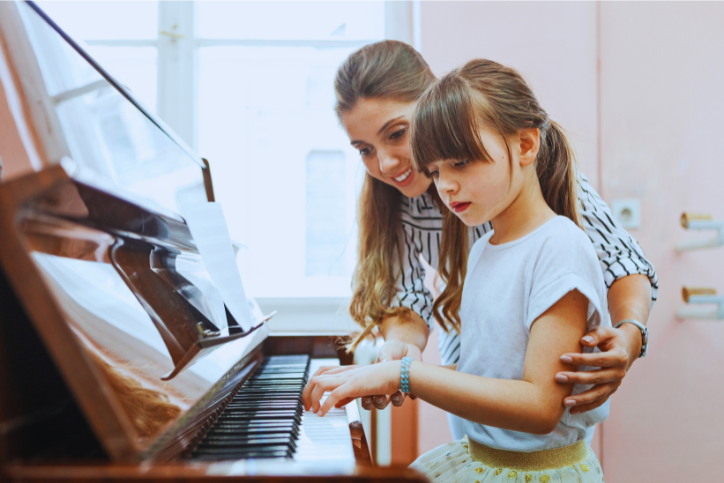
A Day in the Life of a Mumbai Music Teacher: Behind the Scenes of Home Visit Lessons Admin January 18, 2025 Mumbai, the city of dreams, has a rhythm of its own. Amidst the hustle and bustle of local trains, honking taxis, and crowded streets, there exists a unique subset of professionals who bring melody to the lives of its inhabitants: music teachers. For those who offer home visit lessons, their day is a symphony of challenges, surprises, and small victories. Let’s dive into the life of one such music teacher and discover what makes their profession both demanding and deeply fulfilling. Early Morning Notes A typical day begins early, often with a cup of cutting chai and a quick glance at the day’s schedule. Mumbai’s unpredictable traffic means careful planning is essential to make it to every student’s home on time. Carrying a bag filled with sheet music, a portable instrument, and sometimes a notebook to jot down progress notes, the teacher prepares for a day of teaching across different neighborhoods. Navigating the City’s Rhythm One of the biggest challenges for music teachers in Mumbai is the commute. Whether it’s hopping onto a crowded local train, weaving through traffic in a rickshaw, or briskly walking through narrow lanes, getting from one student’s home to another is an adventure in itself. Each locality has its own charm—the serene lanes of Bandra, the bustling markets of Dadar, or the high-rise apartments of Powai. The teacher’s journey is a testament to the city’s vibrancy and diversity. The Students’ Symphony Each home visit brings a unique set of interactions. One student might be a young child eagerly strumming their first guitar chords, while another could be a teenager mastering a challenging piano piece. There are also adults pursuing music as a passion or stress reliever, often squeezing lessons into their busy schedules. Teaching methods are tailored to suit each individual’s learning style, ensuring they progress while enjoying the process. For many students, the music teacher is more than just an instructor. They become a mentor, a motivator, and sometimes even a confidant. Encouraging a shy student to perform their first song or helping a perfectionist embrace the beauty of imperfection in music are moments of pure satisfaction for the teacher. The Challenges Behind the Scenes While the job is rewarding, it isn’t without its challenges. Adapting to varied learning paces, managing uncooperative students, and handling last-minute cancellations can test even the most patient teacher. The physical toll of constant travel and carrying equipment adds to the demands. However, the passion for music and the joy of sharing it with others outweigh these hurdles. A Harmonious Ending As the day winds down, the teacher returns home, often with stories of triumph and learning. There might be a moment to reflect on the day’s lessons, tweak future plans, or simply unwind with a favorite tune. For many music teachers, their work isn’t just a job; it’s a calling that allows them to spread the universal language of music across Mumbai. Why It Matters Home visit music lessons hold a special place in the city’s cultural fabric. They offer personalized learning experiences and bring the joy of music directly into people’s homes. These lessons often create a ripple effect, inspiring families and communities to appreciate and engage with music. Being a music teacher in Mumbai is a journey filled with challenges and rewards, a life lived in harmony with the city’s heartbeat. Through their dedication, these teachers not only nurture talent but also contribute to the city’s rich and diverse cultural tapestry. For the students and families they touch, the sound of their efforts lingers long after the lesson ends. Tags : Share This : Recent Posts The Joy of Learning Violin at Any Age: It’s Never Too Late to StartJuly 20, 2026 Music and Mental Health: How Learning an Instrument Can Boost Your Well-beingJune 17, 2026 From Bedroom to Stage: How Music Classes Online Are Creating Confident PerformersMarch 27, 2026 Categories Violin Classes Singing Journey Online Music Students Online Drum Online Classes Have Any Question? Learn guitar, keyboard, vocals, drums and music production with expert trainers today. +91-87776 29296 deyzmusic5@gmail.com