How Music Classes Help Children Develop Discipline and Creativity
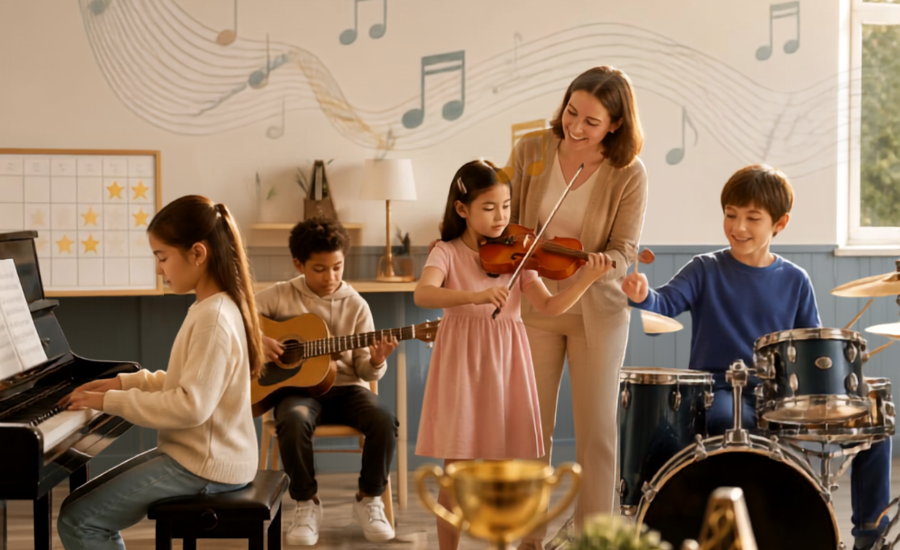
How Music Classes Help Children Develop Discipline and Creativity Manoj Kumar September 2, 2026 Every child has a unique way of learning, expressing emotions and discovering the world around them. While academic education plays an important role in a child’s development, creative activities such as music can provide valuable skills that extend far beyond the classroom. Learning music is not simply about singing a song, playing an instrument or memorising notes. Regular music classes in Mumbai can help children develop discipline, creativity, confidence, concentration and emotional expression—skills that can benefit them throughout their lives. Music Teaches Children the Value of Practice Learning an instrument or developing vocal skills takes time. Children may not play a difficult piece perfectly on their first attempt, and that’s an important part of the learning process. Music classes teach children that improvement comes through regular practice and patience. As they practise scales, rhythms, songs or techniques, they begin to understand that consistent effort produces results. This creates a valuable habit: showing up, practising and continuing even when something feels difficult. Over time, this can influence how children approach other activities, including academics, sports and personal goals. It Builds Focus and Concentration Music requires children to pay attention to several things at once. They may need to listen carefully to rhythm, remember notes, follow instructions and coordinate their hands or voice. This active engagement encourages children to concentrate for longer periods and become more attentive to details. Regular music practice can therefore become an enjoyable way for children to strengthen their ability to focus while doing something they genuinely enjoy. Music Encourages Creativity Discipline and creativity may seem like opposites, but music brings them together beautifully. Once children understand the basics of rhythm, melody and musical expression, they can begin experimenting with sounds and developing their own ideas. They may create simple melodies, change the rhythm of a song or find different ways to express a particular emotion. This encourages children to think beyond fixed answers and explore possibilities. Creativity developed through music can also influence other areas of life. Children may become more comfortable with problem-solving, imagination and expressing original ideas. It Gives Children a Healthy Way to Express Emotions Children don’t always have the words to explain how they feel. Music can provide another form of expression. A song, rhythm or instrument can help children explore emotions in a safe and constructive environment. Whether they are excited, happy, nervous or simply curious, engaging with music gives them an opportunity to communicate and express themselves creatively. Music Can Build Confidence Imagine the feeling a child gets after successfully playing a song they have been practising for weeks. That achievement can create a powerful sense of confidence. Music classes give children opportunities to set small goals, overcome challenges and see their own progress. Performing in front of teachers, classmates or an audience can also gradually help them become more comfortable presenting themselves. These experiences can encourage children to trust their abilities and become more confident in other situations. Learning Music Teaches Patience In a world where children are increasingly accustomed to instant entertainment and immediate results, music offers an important lesson: some things take time. A child may need weeks or months to master a particular song or technique. Learning to accept mistakes, make adjustments and keep practising develops patience and perseverance. These qualities can become valuable habits as children grow older. Group Music Classes Encourage Teamwork Music can also be a social experience. When children participate in group singing, bands, ensembles or other musical activities, they learn to listen to others and understand their role within a team. They need to maintain rhythm, follow cues and work together to create something that sounds good. This teaches cooperation, communication and respect for other people’s contributions. Music Creates a Strong Foundation for Lifelong Learning Perhaps one of the greatest benefits of music education is that it combines learning with enjoyment. Children aren’t simply developing musical abilities. They are learning how to practise, concentrate, experiment, overcome mistakes, express themselves and work towards goals. The discipline developed through regular practice provides structure, while creativity gives children the freedom to explore and imagine. Give Your Child the Opportunity to Discover Music Every child doesn’t need to become a professional musician. The purpose of learning music can be much broader. It can help children discover their interests, develop confidence and build habits that support their personal growth. Most importantly, it gives them a creative space where learning can be enjoyable. With the right guidance and encouragement, music can become more than a hobby—it can become a powerful part of a child’s journey towards becoming a confident, disciplined and creative individual. Tags : Share This : Recent Posts How Music Classes Help Children Develop Discipline and CreativitySeptember 2, 2026 The Joy of Learning Violin at Any Age: It’s Never Too Late to StartJuly 20, 2026 Music and Mental Health: How Learning an Instrument Can Boost Your Well-beingJune 17, 2026 Categories Violin Classes Singing Journey Online Music Students Online Drum Online Classes Have Any Question? Learn guitar, keyboard, vocals, drums and music production with expert trainers today. +91-87776 29296 deyzmusic5@gmail.com
Music and Mental Health: How Learning an Instrument Can Boost Your Well-being
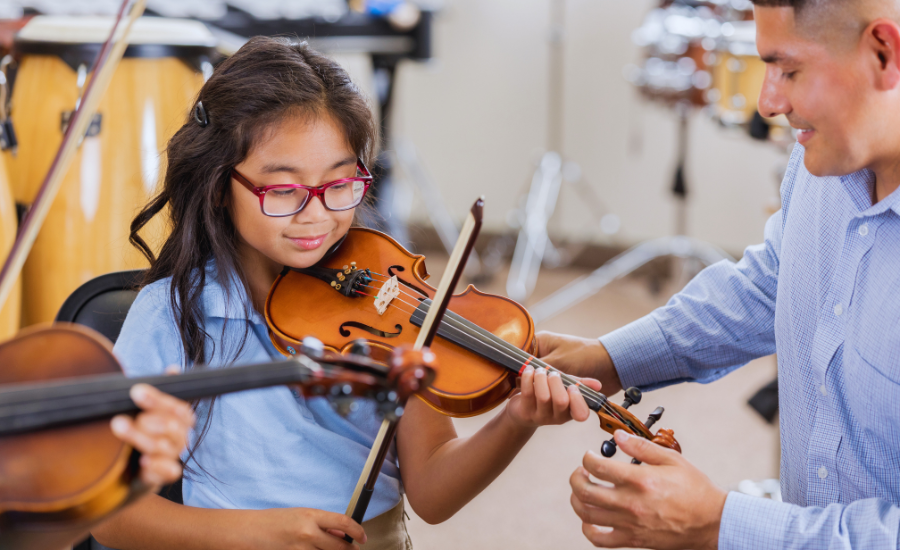
Music and Mental Health: How Learning an Instrument Can Boost Your Well-being Admin June 17, 2026 In recent years, mental health awareness has gained significant traction, with more people realizing the importance of taking care of their mental and emotional well-being. Among the various activities known to improve mental health, learning an instrument stands out as a powerful and transformative tool. Music has long been associated with emotional expression, relaxation, and cognitive benefits, but the act of learning and playing an instrument goes even deeper. Let’s explore how learning an instrument can positively impact mental health and boost overall well-being. 1. Stress Reduction and Relaxation Life can often feel overwhelming, with work pressures, personal challenges, and the constant buzz of daily responsibilities. Learning an instrument offers a break from these stresses. When you play music, your focus shifts entirely to the task at hand—reading sheet music, mastering finger placements, or getting the rhythm right. This intense focus acts as a form of mindfulness, pulling your attention away from stressful thoughts. Moreover, playing soothing or familiar melodies can have a calming effect, similar to meditation. Research has shown that engaging with music can lower cortisol levels (a hormone associated with stress), helping to reduce anxiety and promote relaxation. 2. Emotional Expression and Release Music is often described as the language of emotions, and learning to play an instrument allows individuals to express feelings they may otherwise struggle to communicate. Whether it’s the frustration of a challenging day or the joy of a personal achievement, music provides an outlet to channel and process emotions. For individuals dealing with anxiety, depression, or mood swings, playing an instrument can offer a therapeutic release. The act of creating music helps externalize internal struggles, allowing for emotional processing in a healthy and constructive way. 3. Improved Cognitive Function Learning an instrument is not only good for emotional well-being but also enhances cognitive functions, which can positively affect mental health. The process of reading music, coordinating hand movements, and keeping rhythm engages multiple areas of the brain. Over time, this can improve memory, attention, and problem-solving skills. For those experiencing cognitive decline or memory-related challenges, playing music has been shown to be particularly beneficial. Studies have found that individuals who engage with music regularly are less likely to suffer from dementia and other cognitive impairments as they age. This mental stimulation can significantly boost confidence and improve overall well-being. 4. Boosting Self-esteem and Confidence Mastering an instrument is no easy feat. It requires dedication, practice, and perseverance. However, the sense of accomplishment that comes with learning to play a new piece or mastering a difficult technique can provide a huge confidence boost. This boost in self-esteem extends beyond music. The discipline and resilience learned through practicing an instrument can translate into other areas of life, empowering individuals to take on new challenges and believe in their capabilities. 5. Social Connections and Community While learning an instrument can be a solo activity, it also has the potential to create social bonds. Joining a band, participating in group lessons, or even playing with friends fosters a sense of community. These social interactions are essential for mental health, providing support networks and reducing feelings of isolation. In today’s digital age, online music communities offer a way to connect with fellow musicians worldwide. Whether you’re learning through online music classes or performing virtually, the shared experience of music helps foster connections and alleviate loneliness. 6. Mindfulness and Focus Playing an instrument requires full concentration, which helps redirect your mind away from worries or intrusive thoughts. This focus on the present moment is similar to the concept of mindfulness, where you bring your attention to the now without judgment. By immersing yourself in playing music, you practice being in the present, reducing rumination and anxiety. Many people find that music helps them enter a flow state—a psychological condition where you’re fully absorbed in what you’re doing, losing track of time and space. This flow experience has been linked to greater happiness and fulfillment. 7. Music as a Tool for Healing Music therapy has long been used as a formal treatment for a range of mental health conditions. For individuals dealing with PTSD, trauma, or grief, learning an instrument can be an integral part of their recovery. Through guided sessions, therapists use music to help individuals process difficult emotions and foster resilience. Even outside of formal therapy, many people turn to their instruments as a form of self-care and healing. Playing music can serve as a gentle reminder of their inner strength, helping them cope with life’s difficulties. Conclusion Learning an instrument offers numerous mental health benefits that extend beyond just enjoying music. From reducing stress to enhancing cognitive function and building social connections, the act of creating music can profoundly improve well-being. In today’s fast-paced world, taking the time to sit with an instrument and immerse yourself in the sounds you create can be a powerful form of self-care. Whether you’re learning through online music classes or attending music classes in Mumbai, the emotional and cognitive benefits of playing an instrument are undeniable. Music has the power to heal, connect, and transform, making it one of the most accessible and effective tools for boosting mental health. Tags : Share This : Recent Posts The Joy of Learning Violin at Any Age: It’s Never Too Late to StartJuly 27, 2026 Music and Mental Health: How Learning an Instrument Can Boost Your Well-beingJune 17, 2026 From Bedroom to Stage: How Music Classes Online Are Creating Confident PerformersMarch 27, 2026 Categories Violin Classes Singing Journey Online Music Students Online Drum Online Classes Have Any Question? Learn guitar, keyboard, vocals, drums and music production with expert trainers today. +91-87776 29296 deyzmusic5@gmail.com
From Bedroom to Stage: How Music Classes Online Are Creating Confident Performers

From Bedroom to Stage: How Music Classes Online Are Creating Confident Performers Admin March 27, 2026 Not long ago, the journey of a musician followed a predictable path—join a local class, practice quietly, and wait for the rare chance to perform. Today, that journey has been completely reimagined. With the rise of Online Music Classes, learners are turning their bedrooms into practice studios—and stepping onto stages with confidence like never before. Learning in a Comfort Zone That Builds Confidence One of the biggest barriers for beginners has always been stage fear. Traditional learning environments, while effective, can sometimes feel intimidating—especially when surrounded by more experienced learners. Online Music Classes change that dynamic completely. Practicing in a familiar space allows students to: Make mistakes without pressure Build consistency at their own pace Gain confidence before performing in front of others This comfort-first approach helps learners develop a strong foundation—not just technically, but emotionally. Structured Learning with Personal Focus Modern Guitar Classes Online and Drum Classes Online are far more than casual video tutorials. They are structured programs designed to replicate—and often enhance—the experience of in-person training. Students benefit from: One-on-one live sessions Personalized feedback Recorded lessons for revision Goal-based learning paths This level of personalization ensures that each learner progresses steadily, building both skill and confidence over time. Practice Meets Performance Confidence doesn’t come from learning alone—it comes from performing. Online platforms are now integrating performance-based learning into their systems. Many Online Music Classes offer: Virtual recitals Live performance sessions Peer showcases Feedback from instructors and fellow learners These opportunities simulate real-stage experiences, helping students transition smoothly from practice to performance. Technology as a Confidence Booster Technology is playing a major role in shaping confident performers. With tools like: Video recording and playback Metronome and rhythm apps Backing tracks for practice Performance analysis tools Students in Guitar Classes Online and Drum Classes Online can evaluate their own progress, identify areas of improvement, and refine their skills independently. Seeing your own growth visually and audibly builds a powerful sense of confidence. Breaking Geographical Barriers Earlier, access to quality music education depended heavily on location. Now, Online Music Classes connect students with top instructors from across the country—or even globally. This exposure helps learners: Understand diverse styles and techniques Learn from experienced professionals Gain insights beyond local limitations The result? A more versatile and stage-ready performer. Building Discipline and Self-Motivation Learning music online requires a certain level of self-discipline. Interestingly, this becomes a strength. Students develop: Consistent practice habits Accountability for their progress Independence in learning These traits directly translate into stage confidence—because performers who trust their preparation perform better. From Private Practice to Public Performance Social media and digital platforms have further accelerated this transformation. Students are no longer waiting for formal stage opportunities—they are creating their own. With skills gained from Guitar Classes Online and Drum Classes Online, learners are: Posting performance videos online Collaborating with other musicians Participating in virtual competitions This constant exposure reduces performance anxiety and builds real-world confidence. The New-Age Performer Today’s music learner is not just trained—they are expressive, confident, and digitally savvy. The journey from bedroom to stage is faster, more accessible, and more empowering. Final Thoughts The evolution of Online Music Classes has done more than make learning convenient—it has transformed how performers are created. By combining comfort, technology, personalized learning, and performance opportunities, Guitar Classes Online and Drum Classes Online are helping students overcome fear, embrace creativity, and step onto the stage with confidence. Because today, the stage isn’t just a place—it’s a mindset. And it can begin right from your bedroom. Tags : Share This : Recent Posts The Joy of Learning Violin at Any Age: It’s Never Too Late to StartJuly 20, 2026 Music and Mental Health: How Learning an Instrument Can Boost Your Well-beingJune 17, 2026 From Bedroom to Stage: How Music Classes Online Are Creating Confident PerformersMarch 27, 2026 Categories Violin Classes Singing Journey Online Music Students Online Drum Online Classes Have Any Question? Learn guitar, keyboard, vocals, drums and music production with expert trainers today. +91-87776 29296 deyzmusic5@gmail.com
Why Learning Music in Mumbai Is Easier Than Ever in 2025
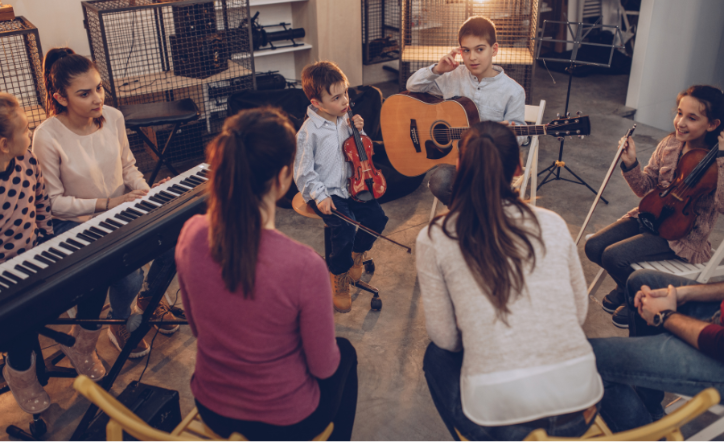
Why Learning Music in Mumbai Is Easier Than Ever in 2025 Admin October 31, 2025 Mumbai has always been the rhythm of India — from Bollywood melodies to indie music culture and live performances that light up the city every night. But in 2025, the music learning landscape in this vibrant city has transformed more than ever before. Whether you’re an aspiring singer, a drummer in the making, or someone who dreams of strumming your first guitar chord, learning music in Mumbai has become easier, more accessible, and far more exciting. The City Where Music Meets Opportunity Mumbai’s creative pulse has inspired countless musicians, and now the opportunities to begin your musical journey are everywhere. The rise of top-tier Music Schools in Mumbai ensures that aspirants don’t just learn — they thrive. Many of these institutes offer: Specializations in vocals or instruments Audio production and sound engineering courses Stage performance training Internationally recognized certifications No matter your goal, there is a place ready to help you shine. Blending Tradition with Technology Music learning in Mumbai has taken a big leap with technology. From smart classrooms to AI-based learning apps, beginners can learn faster and more efficiently. Some advancements include: Virtual practice tools that give real-time feedback on pitch and rhythm Online one-on-one classes with professional instructors Interactive learning modules for music theory and songwriting Hybrid programs — in-person plus online flexibility This means you can practice from home during the week and polish your performance on weekends at your institute — convenience and growth together. A Community That Builds Confidence Music isn’t only about notes — it’s about expression. And Mumbai provides the perfect ecosystem for learners to grow confidently. The city’s schools frequently host: Live gigs and open-mic events Student music festivals Collaboration projects with indie artists Performing on stage helps students overcome nervousness and start believing in themselves. Even shy learners discover their voice — literally and metaphorically. Courses for Learners of Every Age Before 2025, finding structured programs for children, teens, and adults separately could be challenging. Today, the Best Music Classes in Mumbai ensure that: Kids get playful, creative lessons to spark curiosity Teens explore career-focused training Adults enjoy flexible timing and hobby-friendly courses From Bollywood singing to Western classical, from tabla to electric guitar — there is something tailored for every passion and age group. Trained Professionals From the Music Industry Another major advantage? Access to industry experts. Mumbai attracts top musicians, composers, and producers — and many now teach or mentor students. Learners get exposure to: Real studio environments Song recording and mixing Behind-the-scenes insights into the entertainment world For anyone dreaming of a music career, this guidance is priceless. Affordability and Accessibility The expansion of choices means the cost of learning music has become much more flexible. From premium academies to budget-friendly batch classes in every neighborhood, students can choose what works best for them. Scholarships and EMI options also make the journey more accessible. The Perfect Time to Begin Your Musical Dream If you’ve ever thought: “I wish I knew how to play an instrument…”“I want to record my own song someday…”“Is it too late for me to start?” 2025 is your answer — It’s never too late, and there has never been a better time. Final NoteMumbai is not just a city — it’s a melody that welcomes everyone. And now, with world-class Music Schools in Mumbai and passionate support for aspiring artists, your musical journey can begin today. You don’t need prior experience. All you need is the desire to learn and the courage to take the first step. So grab that mic, pick up that instrument, and let Mumbai help you find your true rhythm. Tags : Share This : Recent Posts The Joy of Learning Violin at Any Age: It’s Never Too Late to StartJuly 20, 2026 Music and Mental Health: How Learning an Instrument Can Boost Your Well-beingJune 17, 2026 From Bedroom to Stage: How Music Classes Online Are Creating Confident PerformersMarch 27, 2026 Categories Violin Classes Singing Journey Online Music Students Online Drum Online Classes Have Any Question? Learn guitar, keyboard, vocals, drums and music production with expert trainers today. +91-87776 29296 deyzmusic5@gmail.com
From Hobby to Profession: Turning Music Classes into a Career Path
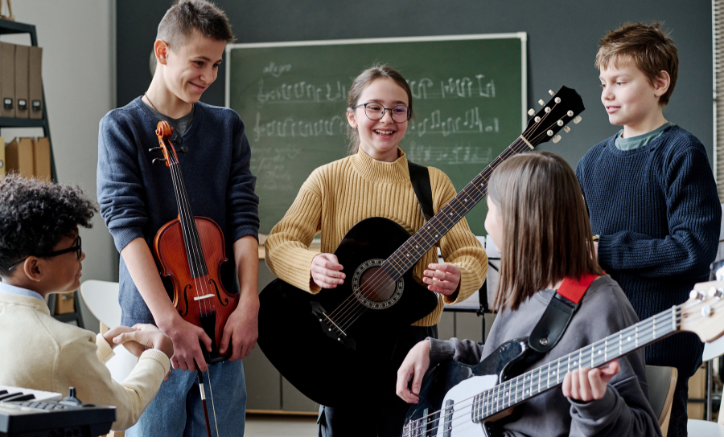
From Hobby to Profession: Turning Music Classes into a Career Path Admin July 28, 2025 For many, music begins as a simple joy—a stress-buster, a childhood curiosity, or a weekend hobby. But what if your passion could also become your profession? In today’s creative economy, turning your music classes into a full-fledged career is not just possible—it’s practical. Whether you’re learning vocals, guitar, piano, or production, your journey from hobbyist to professional begins with the right mindset and structured guidance. Step 1: Take Your Training Seriously When music is just a hobby, you might skip practice or treat classes casually. But turning professional means discipline and commitment. It’s essential to: Attend classes regularly Practice consistently Learn theory along with performance Seek feedback from your instructor If you’re in Mumbai, explore music institute in Mumbai that offer graded courses (like Trinity, ABRSM, or AR Rahman’s KM College) or certified training that prepares you for advanced-level performance. Step 2: Define Your Direction Music is a vast field. You can pursue careers in: Performing (singer, instrumentalist, band member) Teaching (private tutor, school music teacher) Production (music producer, sound engineer) Composition (film scores, jingles, original tracks) Music Therapy or Music Management Talk to your mentors or professionals in the industry to understand what aligns with your strengths. This clarity helps you choose the right courses, internships, and platforms. Step 3: Build Your Portfolio Start small: record your practice sessions, perform at open mics, post videos on social media, or participate in local competitions. Over time, you can create: A performance reel A YouTube or Instagram presence Collaborations with other musicians Live gig experience Your portfolio shows your growth, style, and seriousness—crucial when applying for music colleges or approaching clients. Step 4: Learn the Business of Music Being a professional musician isn’t just about talent—it’s also about knowing how to market yourself, network, and monetize your skills. Learn about: Branding and social media Copyrights and royalties Music distribution platforms (like Spotify, Apple Music) Event bookings and contracts Consider short courses in music business or digital marketing to support your creative work. Step 5: Keep Learning & Evolving Even professional musicians never stop learning. Attend masterclasses, explore new genres, and stay updated with technology like DAWs (Digital Audio Workstations), live streaming tools, and production software. And if you’ve started as a student, consider becoming a certified teacher—a great way to earn while you continue your journey. Final Note Turning music from a hobby into a profession takes time, persistence, and passion. But with the right training, mindset, and exposure, you can absolutely build a rewarding career doing what you love. So keep playing, keep learning—and let your hobby become your headline. Tags : Share This : Recent Posts The Joy of Learning Violin at Any Age: It’s Never Too Late to StartJuly 20, 2026 Music and Mental Health: How Learning an Instrument Can Boost Your Well-beingJune 17, 2026 From Bedroom to Stage: How Music Classes Online Are Creating Confident PerformersMarch 27, 2026 Categories Violin Classes Singing Journey Online Music Students Online Drum Online Classes Have Any Question? Learn guitar, keyboard, vocals, drums and music production with expert trainers today. +91-87776 29296 deyzmusic5@gmail.com
Classical vs. Contemporary: A Look at Mumbai’s Diverse Music Class Offerings
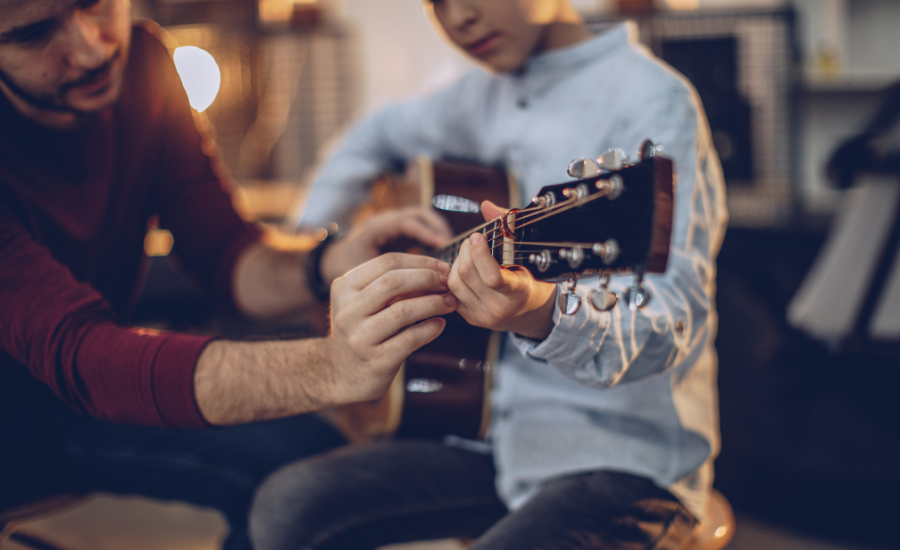
Classical vs. Contemporary: A Look at Mumbai’s Diverse Music Class Offerings Admin February 27, 2025 Mumbai, a city known for its dynamic culture and artistic vibrancy, has long been a hub for musicians of all kinds. Whether you are a passionate learner or a curious beginner, Mumbai offers an extensive array of music classes catering to both classical and contemporary styles. From the soulful strains of Hindustani and Carnatic traditions to the energetic beats of modern genres, the city’s music schools and independent instructors provide a plethora of opportunities for aspiring musicians. But how do these two musical worlds compare, and which one should you choose? The Timeless Elegance of Classical Music Classical music in India is deeply rooted in tradition and discipline. Mumbai boasts a number of well-established institutions and gurus who offer rigorous training in Hindustani and Carnatic music. Students here immerse themselves in the nuances of ragas, talas, and intricate improvisations, all of which require years of dedicated practice. One of the biggest draws of learning classical music is its emphasis on technique and foundational strength. Whether through vocal training or instrumental instruction in sitar, tabla, veena, or violin, classical music lessons focus on patience, devotion, and precision. Many instructors follow the guru-shishya parampara (teacher-student tradition), ensuring a deeply personal and immersive learning experience. Additionally, classical music provides a gateway to spiritual and meditative experiences, with many students finding a deep sense of connection with their art form. However, it requires perseverance, as mastery is often a lifelong pursuit. The Energy and Adaptability of Contemporary Music On the other end of the spectrum, contemporary music classes in Mumbai offer a more flexible and genre-diverse approach. Whether you’re drawn to Western classical piano, jazz improvisation, rock guitar, electronic music production, or Bollywood playback singing, the city’s music scene has something for everyone. These classes often incorporate modern teaching techniques, including structured curriculum-based training and digital tools. Many contemporary music programs emphasize performance, encouraging students to participate in live gigs, studio recordings, and collaborations. The learning curve is generally more adaptable, allowing students to pick up skills quicker than in traditional classical training. A major advantage of contemporary music education is its industry relevance. With Mumbai being the heart of India’s film and entertainment industry, many aspiring musicians train in genres that align with commercial opportunities, including playback singing, music production, and sound engineering. Which One Should You Choose? The choice between classical and contemporary music largely depends on your personal goals and interests. If you seek depth, tradition, and technical mastery, classical music offers a rewarding journey filled with discipline and cultural richness. On the other hand, if you prefer versatility, creativity, and performance-oriented training, contemporary music classes might be your best bet. Some students even choose to blend both worlds, taking classical lessons to build a strong foundation while simultaneously exploring contemporary styles to expand their musical repertoire. Mumbai’s music schools and private instructors often cater to such hybrid learning approaches, ensuring that students can shape their education to suit their aspirations. No matter which path you choose, Mumbai’s vibrant music scene provides ample opportunities to explore, learn, and grow as a musician. The key is to start, experiment, and enjoy the process of discovering your unique musical voice. Tags : Share This : Recent Posts The Joy of Learning Violin at Any Age: It’s Never Too Late to StartJuly 20, 2026 Music and Mental Health: How Learning an Instrument Can Boost Your Well-beingJune 17, 2026 From Bedroom to Stage: How Music Classes Online Are Creating Confident PerformersMarch 27, 2026 Categories Violin Classes Singing Journey Online Music Students Online Drum Online Classes Have Any Question? Learn guitar, keyboard, vocals, drums and music production with expert trainers today. +91-87776 29296 deyzmusic5@gmail.com
The Benefits of Learning Music at Any Age: Why It’s Never Too Late to Start

The Benefits of Learning Music at Any Age: Why It’s Never Too Late to Start Admin December 27, 2024 Music is often thought of as an activity reserved for children, with many people believing that they have missed their chance to learn an instrument by the time they reach adulthood. However, this couldn’t be further from the truth. Whether you’re 10, 30, 50, or beyond, it’s never too late to pick up an instrument and start your musical journey. Here are some compelling reasons why learning music at any age can be one of the most rewarding experiences. 1. Mental Health Benefits Learning music has been shown to have a profound impact on mental health. Music can be an effective stress reliever, helping to reduce anxiety and depression. The act of learning to play an instrument requires focus and concentration, which can shift your mind away from everyday worries. Additionally, the sense of accomplishment and progress that comes with mastering a new piece of music can boost self-esteem and improve your overall sense of well-being. 2. Enhances Cognitive Function Music is a workout for the brain, and studies have shown that learning music at any age helps improve cognitive abilities. Playing an instrument improves memory, enhances problem-solving skills, and boosts creativity. For older adults, it can even help delay the onset of cognitive decline and improve brain plasticity. The complex mental processes involved in reading music, coordinating movements, and learning new techniques keep your brain sharp and engaged. 3. Improves Physical Coordination Learning to play an instrument, especially one that involves hand-eye coordination like the piano or guitar, can enhance fine motor skills. Musicians must synchronize their hands, eyes, and sometimes feet, creating a unique mental and physical challenge. This constant coordination and dexterity improvement can benefit people of all ages, from children developing motor skills to adults maintaining agility as they age. 4. Increased Social Opportunities Music has a unique ability to bring people together. Whether you’re joining a local band, participating in a choir, or simply playing in a group setting, learning an instrument opens up a wide range of social opportunities. Playing music in a group fosters teamwork and collaboration, making it easier to meet new people and build meaningful relationships. For older adults, joining a musical community can reduce feelings of loneliness and provide a sense of connection. 5. Boosts Emotional Expression Music is often referred to as the universal language, and for good reason. Learning to play an instrument gives you a powerful outlet for emotional expression. Whether you’re playing a sad melody, an uplifting tune, or something in between, music allows you to express feelings that words cannot capture. As you learn to express yourself through music, you might find that you’re more in tune with your emotions, which can lead to a deeper sense of fulfillment. 6. Flexibility and Accessibility One of the best things about learning music as an adult is the flexibility and variety of resources available. With online music lessons, apps, and resources, learning music has never been more accessible. Whether you’re interested in classical piano, jazz guitar, or contemporary singing, there’s a method and instructor out there for you. Plus, you can learn at your own pace, which makes it easy to fit music into your busy life. Conclusion It’s never too late to start learning music. The benefits are endless, from boosting mental health and cognitive function to improving physical coordination and providing a meaningful social outlet. Whether you’re looking to rediscover a childhood passion or begin a completely new journey, music has something to offer everyone. So, grab that guitar, dust off the piano, or sing your heart out—your musical adventure awaits! Tags : Share This : Recent Posts The Joy of Learning Violin at Any Age: It’s Never Too Late to StartJuly 20, 2026 Music and Mental Health: How Learning an Instrument Can Boost Your Well-beingJune 17, 2026 From Bedroom to Stage: How Music Classes Online Are Creating Confident PerformersMarch 27, 2026 Categories Violin Classes Singing Journey Online Music Students Online Drum Online Classes Have Any Question? Learn guitar, keyboard, vocals, drums and music production with expert trainers today. +91-87776 29296 deyzmusic5@gmail.com
Building a Musical Community: The Benefits of Joining Music Classes in Mumbai
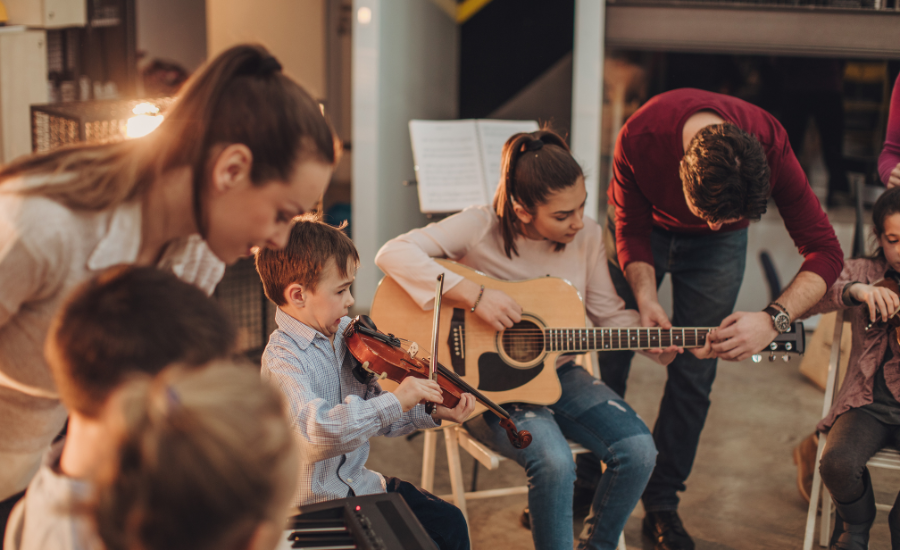
Building a Musical Community: The Benefits of Joining Music Classes in Mumbai Admin November 30, 2024 In a bustling metropolis like Mumbai, where the rhythm of life never seems to slow down, the desire for artistic expression often finds its home in music. For many aspiring musicians, joining offline music classes is not just about learning to play an instrument or singing—it’s about becoming part of a vibrant community. This article explores the myriad benefits of participating in offline music classes in Mumbai and how they can foster a sense of belonging, creativity, and personal growth. 1. Connection with Like-Minded Individuals One of the most rewarding aspects of joining offline music classes is the opportunity to connect with others who share a passion for music. Shared Interests: In a class setting, students bond over their mutual love for music, fostering friendships that can extend beyond the classroom. This shared interest creates an immediate sense of camaraderie, making it easier to form connections. Networking Opportunities: Building relationships with fellow students and instructors can lead to valuable networking opportunities. Collaborating with other musicians can enhance your skills and lead to potential performances, jam sessions, and projects. 2. Personalized Learning Experience While online classes offer convenience, offline music classes provide an interactive environment that facilitates personalized learning. Immediate Feedback: Instructors can offer real-time feedback and hands-on guidance, allowing students to improve more effectively. This tailored instruction is particularly beneficial for beginners who may need extra support in mastering techniques. Adaptable Teaching Styles: Face-to-face interactions allow teachers to adapt their teaching methods based on individual learning styles, ensuring that each student receives the attention and instruction they need. 3. Motivation and Accountability Participating in offline music classes fosters a structured environment that can enhance motivation and commitment. Regular Class Schedule: Committing to a set schedule encourages students to practice consistently. Knowing they have classes to attend can instill a sense of accountability, prompting students to dedicate time to their musical development. Peer Encouragement: Learning alongside others creates a supportive atmosphere where students motivate each other. Celebrating each other’s progress can inspire individuals to push through challenges and stay committed to their goals. 4. Performance Opportunities One of the significant advantages of joining offline music classes is the wealth of performance opportunities they offer. Recitals and Showcases: Many music schools in Mumbai organize recitals and showcases, giving students the chance to perform in front of an audience. These experiences not only build confidence but also help students learn how to manage performance anxiety. Collaborative Projects: Participating in group classes often leads to collaborations, such as forming bands or ensembles. Playing with others enhances musical skills and prepares students for real-world performance scenarios. 5.Access to Local Musical Heritage Mumbai boasts a rich and diverse musical culture, and offline classes provide a unique opportunity to connect with this heritage. Cultural Insights: Local music instructors can share insights into various musical styles, genres, and traditions specific to Mumbai and India as a whole. This cultural context enriches the learning experience and deepens students’ appreciation for their art. Exploration of Genres: Students can explore various genres—ranging from classical Indian music to contemporary styles—under the guidance of knowledgeable instructors, allowing for a well-rounded musical education. 6.Enhanced Focus and Engagement Learning in a dedicated music studio or classroom allows for a focused and immersive experience that is often hard to replicate in an online setting. Minimized Distractions: Offline classes provide a structured environment free from home distractions, enabling students to concentrate fully on their lessons. Interactive Learning: The face-to-face nature of offline classes encourages engagement, with opportunities for discussions, questions, and group activities that enhance understanding and retention. Conclusion Joining music classes in Mumbai is more than just an educational endeavor; it’s an opportunity to build a thriving musical community. From forming friendships with like-minded individuals to enjoying personalized instruction and performance opportunities, the benefits of engaging in face-to-face music education are invaluable. As students connect with their peers and immerse themselves in the local musical culture, they not only enhance their musical skills but also create lasting memories and relationships. Whether you are a beginner or an experienced musician, participating in offline music classes can lead to personal growth, creativity, and a profound sense of belonging in the vibrant tapestry of Mumbai’s music scene. Tags : Share This : Recent Posts The Joy of Learning Violin at Any Age: It’s Never Too Late to StartJuly 20, 2026 Music and Mental Health: How Learning an Instrument Can Boost Your Well-beingJune 17, 2026 From Bedroom to Stage: How Music Classes Online Are Creating Confident PerformersMarch 27, 2026 Categories Violin Classes Singing Journey Online Music Students Online Drum Online Classes Have Any Question? Learn guitar, keyboard, vocals, drums and music production with expert trainers today. +91-87776 29296 deyzmusic5@gmail.com
The Science of Music: How Learning an Instrument Enhances Brain Function

The Science of Music: How Learning an Instrument Enhances Brain Function Admin August 1, 2024 Music has long been revered as a universal language, capable of evoking deep emotions and connecting people across cultures. But beyond its aesthetic and emotional appeal, music has a profound impact on the brain. Recent scientific research has illuminated how learning to play an instrument can enhance brain function in remarkable ways, providing benefits that extend far beyond musical proficiency. The Brain on Music: An Overview When you learn to play an instrument, your brain undergoes significant changes. This process, known as neuroplasticity, refers to the brain’s ability to reorganize itself by forming new neural connections. These changes are not merely superficial; they involve complex interactions between various regions of the brain, enhancing cognitive abilities and overall brain health. Enhanced Memory and Cognitive Function One of the most well-documented benefits of learning an instrument is the enhancement of memory. Musicians often have superior working memory, which is the ability to hold and manipulate information in the mind over short periods. This skill is crucial for daily tasks such as problem-solving, language comprehension, and following instructions. Playing an instrument requires the simultaneous processing of multiple types of information: reading music, timing, pitch, and coordination. This multi-sensory engagement strengthens the brain’s memory centers, particularly the hippocampus. Studies have shown that musicians have larger hippocampi compared to non-musicians, indicating a greater capacity for memory retention and retrieval. Improved Executive Function Executive function encompasses a set of cognitive processes that include problem-solving, planning, attention, and impulse control. Learning an instrument is a comprehensive workout for these skills. For instance, reading sheet music demands constant attention and quick decision-making. Musicians must anticipate upcoming notes, adjust their playing in real-time, and maintain focus despite distractions. Research has found that musicians often exhibit enhanced executive function compared to non-musicians. This improvement is linked to increased activity in the prefrontal cortex, the brain region responsible for these higher-order cognitive processes. Consequently, musicians are generally better at multitasking, managing time, and staying organized. Language and Literacy Skills Music and language share overlapping neural networks, meaning that musical training can significantly benefit language skills. Playing an instrument enhances phonological awareness, the ability to recognize and manipulate sounds. This skill is fundamental for reading and language development in children. Moreover, musical training improves verbal memory and linguistic abilities. Musicians tend to have a heightened ability to learn new languages, comprehend complex texts, and articulate thoughts clearly. These advantages stem from the brain’s enhanced ability to process auditory information and discern subtle differences in sound patterns. Emotional and Social Intelligence Beyond cognitive benefits, learning an instrument also nurtures emotional and social intelligence. Music is an expressive art form, allowing individuals to convey and process emotions. Playing music can reduce stress, alleviate anxiety, and improve overall mood. These emotional benefits are tied to the brain’s release of dopamine, a neurotransmitter associated with pleasure and reward. Furthermore, group music classes and ensemble playing foster social interaction and collaboration. Musicians learn to listen, respond, and synchronize with others, enhancing their empathy and communication skills. These social experiences contribute to a sense of belonging and improve interpersonal relationships. Long-Term Brain Health Engaging in musical activities has long-term benefits for brain health, particularly in aging populations. Studies have shown that older adults who continue to play instruments maintain better cognitive function and have a lower risk of neurodegenerative diseases such as Alzheimer’s. The cognitive reserve built through years of musical practice helps protect the brain against age-related decline. Conclusion The science of music reveals that learning an instrument is not merely an artistic pursuit but a powerful tool for enhancing brain function. From improved memory and cognitive skills to heightened emotional and social intelligence, the benefits of musical training are extensive and enduring. Whether you are a child beginning your musical journey or an adult seeking new challenges, playing an instrument offers a profound and rewarding way to enrich your brain and your life. So, pick up that instrument, embrace the challenge, and let the music transform your mind. Tags : Share This : Recent Posts The Joy of Learning Violin at Any Age: It’s Never Too Late to StartJuly 20, 2026 Music and Mental Health: How Learning an Instrument Can Boost Your Well-beingJune 17, 2026 From Bedroom to Stage: How Music Classes Online Are Creating Confident PerformersMarch 27, 2026 Categories Violin Classes Singing Journey Online Music Students Online Drum Online Classes Have Any Question? Learn guitar, keyboard, vocals, drums and music production with expert trainers today. +91-87776 29296 deyzmusic5@gmail.com