

Why Every Child Should Experience Music Education at an Early Age
How Music Classes Help Children Develop Discipline and Creativity
Manoj Kumar
September 2, 2026
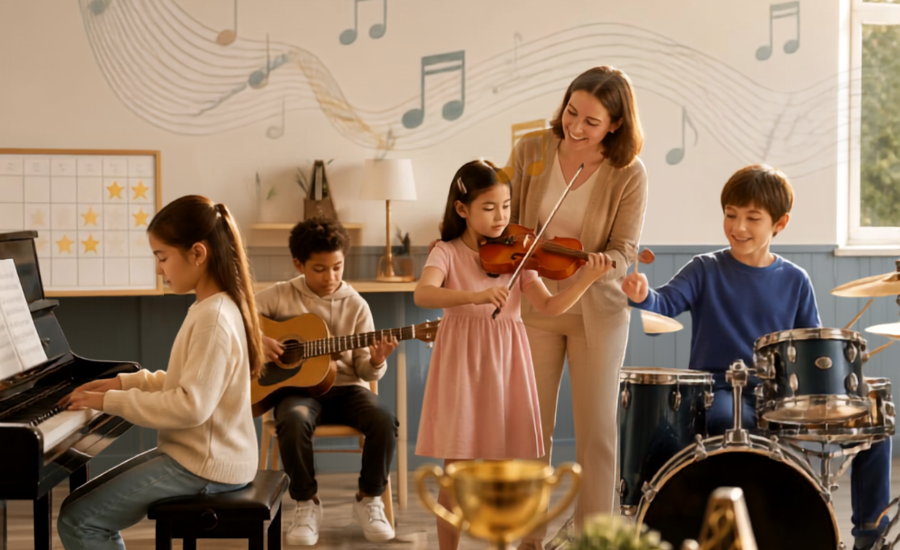
Every child has a unique way of learning, expressing emotions and discovering the world around them. While academic education plays an important role in a child’s development, creative activities such as music can provide valuable skills that extend far beyond the classroom.
Learning music is not simply about singing a song, playing an instrument or memorising notes. Regular music classes in Mumbai can help children develop discipline, creativity, confidence, concentration and emotional expression—skills that can benefit them throughout their lives.
Music Teaches Children the Value of Practice
Learning an instrument or developing vocal skills takes time. Children may not play a difficult piece perfectly on their first attempt, and that’s an important part of the learning process.
Music classes teach children that improvement comes through regular practice and patience. As they practise scales, rhythms, songs or techniques, they begin to understand that consistent effort produces results.
This creates a valuable habit: showing up, practising and continuing even when something feels difficult.
Over time, this can influence how children approach other activities, including academics, sports and personal goals.
It Builds Focus and Concentration
Music requires children to pay attention to several things at once. They may need to listen carefully to rhythm, remember notes, follow instructions and coordinate their hands or voice.
This active engagement encourages children to concentrate for longer periods and become more attentive to details.
Regular music practice can therefore become an enjoyable way for children to strengthen their ability to focus while doing something they genuinely enjoy.
Music Encourages Creativity
Discipline and creativity may seem like opposites, but music brings them together beautifully.
Once children understand the basics of rhythm, melody and musical expression, they can begin experimenting with sounds and developing their own ideas. They may create simple melodies, change the rhythm of a song or find different ways to express a particular emotion.
This encourages children to think beyond fixed answers and explore possibilities.
Creativity developed through music can also influence other areas of life. Children may become more comfortable with problem-solving, imagination and expressing original ideas.
It Gives Children a Healthy Way to Express Emotions
Children don’t always have the words to explain how they feel.
Music can provide another form of expression. A song, rhythm or instrument can help children explore emotions in a safe and constructive environment.
Whether they are excited, happy, nervous or simply curious, engaging with music gives them an opportunity to communicate and express themselves creatively.
Music Can Build Confidence
Imagine the feeling a child gets after successfully playing a song they have been practising for weeks.
That achievement can create a powerful sense of confidence.
Music classes give children opportunities to set small goals, overcome challenges and see their own progress. Performing in front of teachers, classmates or an audience can also gradually help them become more comfortable presenting themselves.
These experiences can encourage children to trust their abilities and become more confident in other situations.
Learning Music Teaches Patience
In a world where children are increasingly accustomed to instant entertainment and immediate results, music offers an important lesson: some things take time.
A child may need weeks or months to master a particular song or technique. Learning to accept mistakes, make adjustments and keep practising develops patience and perseverance.
These qualities can become valuable habits as children grow older.
Group Music Classes Encourage Teamwork
Music can also be a social experience.
When children participate in group singing, bands, ensembles or other musical activities, they learn to listen to others and understand their role within a team. They need to maintain rhythm, follow cues and work together to create something that sounds good.
This teaches cooperation, communication and respect for other people’s contributions.
Music Creates a Strong Foundation for Lifelong Learning
Perhaps one of the greatest benefits of music education is that it combines learning with enjoyment.
Children aren’t simply developing musical abilities. They are learning how to practise, concentrate, experiment, overcome mistakes, express themselves and work towards goals.
The discipline developed through regular practice provides structure, while creativity gives children the freedom to explore and imagine.
Give Your Child the Opportunity to Discover Music
Every child doesn’t need to become a professional musician. The purpose of learning music can be much broader.
It can help children discover their interests, develop confidence and build habits that support their personal growth. Most importantly, it gives them a creative space where learning can be enjoyable.
With the right guidance and encouragement, music can become more than a hobby—it can become a powerful part of a child’s journey towards becoming a confident, disciplined and creative individual.
Have Any Question?
Learn guitar, keyboard, vocals, drums and music production with expert trainers today.
- +91-87776 29296
- deyzmusic5@gmail.com