Can Learning Two Musical Instruments at Once Improve Your Overall Musical Understanding?

Can Learning Two Musical Instruments at Once Improve Your Overall Musical Understanding? Manoj Kumar November 18, 2026 Imagine playing a beautiful melody on the piano and then exploring the same musical ideas on a guitar. Although both instruments produce music differently, the experience can help you discover new ways of understanding rhythm, harmony, and melody. Many music enthusiasts wonder whether learning two instruments simultaneously is a good idea. Will it improve their musical abilities, or will dividing their attention make learning more difficult? The answer depends on their interests, practice habits, and learning approach. When approached thoughtfully, learning two instruments can offer several creative and educational advantages. A Broader Understanding of Music Every musical instrument has its own characteristics. The piano helps learners visualize musical notes, scales, and chord structures, while the guitar introduces them to string techniques, chord shapes, and different playing styles. Exploring both instruments allows students to understand how musical concepts work across different settings. For example, a chord progression learned on the piano can also be played on the guitar, although the finger positions and techniques will differ. This connection helps learners recognize that music is built around shared principles rather than isolated instrument-specific skills. Better Rhythm and Coordination Different instruments require different physical movements and coordination techniques. Playing the piano involves coordinating both hands, sometimes independently, while playing the guitar requires precise finger placement, strumming, and picking techniques. Learning drums alongside another instrument can introduce an even stronger understanding of timing and rhythmic patterns. Switching between instruments encourages learners to adapt their movements while maintaining musical accuracy. Over time, these experiences can help develop greater awareness of rhythm, coordination, and musical expression. Improved Listening and Musical Appreciation Learning multiple instruments can change the way you listen to music. Instead of hearing a song as a single composition, you may begin recognizing individual elements such as bass lines, chord progressions, percussion, and melodies. For example, someone learning piano and vocals may become more aware of how melodies interact with harmonies. Similarly, a student learning guitar and drums may develop a better appreciation of how rhythm and instrumentation work together in a band. This deeper listening experience can make music more interesting and rewarding. Exploring Different Creative Possibilities Each instrument offers a different way to express musical ideas. The guitar is particularly versatile for songwriting and acoustic performances, while the piano offers opportunities to explore complex harmonies and melodic arrangements. The ukulele provides an approachable way to experiment with cheerful rhythms and simple chord progressions. Learning two instruments can therefore expand your creative options. You might develop a melody on the piano, experiment with its chord structure on the guitar, or accompany your singing with either instrument. These combinations encourage experimentation and help learners discover their individual musical preferences. How to Manage Learning Two Instruments Without Feeling Overwhelmed Although learning multiple instruments has its advantages, trying to master both simultaneously can become challenging without a proper routine. A balanced approach can make the experience much more enjoyable. Consider these practical suggestions: Set Separate Practice Goals: Decide what you want to achieve with each instrument rather than following an identical routine. Divide Your Practice Time: Give both instruments dedicated attention, even if one receives slightly more time. Build a Strong Foundation: Learn basic techniques and musical concepts before moving towards advanced compositions. Avoid Rushing: Progress at a comfortable pace instead of comparing your performance across instruments. Connect What You Learn: Practice familiar scales, rhythms, or chord progressions on both instruments to understand their musical relationship. Most importantly, make sure learning remains enjoyable rather than becoming another source of pressure. Find the Right Learning Environment Having guidance from experienced instructors can make a significant difference when learning two instruments. Teachers can help students manage their practice schedules, understand fundamental music theory, and develop appropriate techniques for each instrument. At DEY’Z MUSIC, students can explore different instruments through structured music lessons and practical guidance. Whether you’re interested in guitar, piano, drums, vocals, violin, or ukulele, choosing the right learning approach can help you build confidence and develop a stronger musical foundation. One Musical Journey, Multiple Possibilities Learning two musical instruments at once isn’t necessarily about becoming an expert in both as quickly as possible. It’s about exploring music from different perspectives and discovering how various instruments complement one another. With realistic goals, consistent practice, and proper guidance, learning multiple instruments can broaden your musical understanding and open up exciting creative possibilities. Sometimes, picking up a second instrument is all it takes to hear your favorite music in an entirely new way. Tags : Violin Lessons Share This : Recent Posts Can Learning Two Musical Instruments at Once Improve Your Overall Musical Understanding?November 18, 2026 Why Every Child Should Experience Music Education at an Early AgeSeptember 24, 2026 How Music Classes Help Children Develop Discipline and CreativitySeptember 2, 2026 Categories Violin Classes Singing Journey Online Music Students Online Drum Online Classes Have Any Question? Learn guitar, keyboard, vocals, drums and music production with expert trainers today. +91-87776 29296 deyzmusic5@gmail.com
Why Every Child Should Experience Music Education at an Early Age
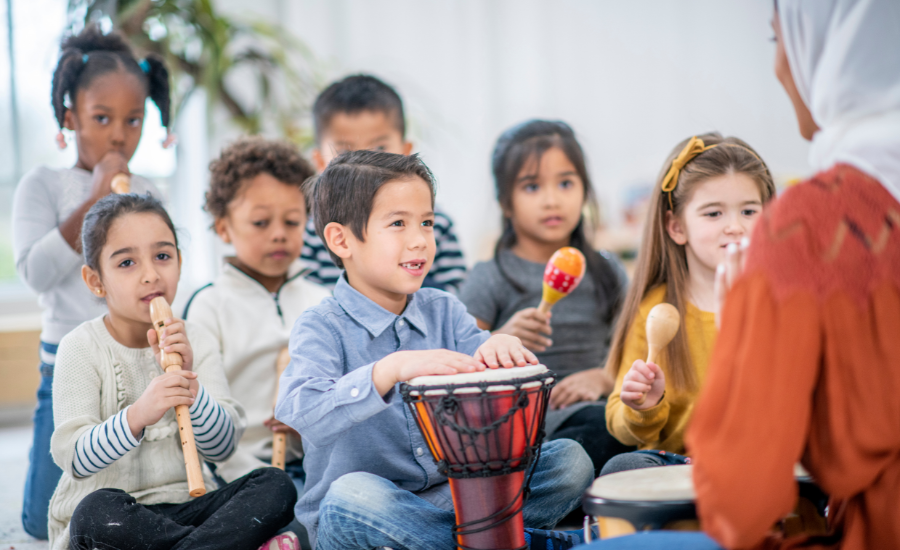
Why Every Child Should Experience Music Education at an Early Age Manoj Kumar September 24, 2026 What happens when a child learns to play a musical instrument? They don’t just learn notes. They learn to listen, concentrate, practise, express emotions, solve problems and perform with confidence. Music education can become much more than an after-school activity. When introduced at an early age, it can become a creative space where children discover their abilities while having fun. 🎧 1. Music Trains Children to Listen Before children learn to play, they learn to listen. Recognising rhythm, pitch, tempo and changes in sound encourages children to pay attention to details. These listening skills can also become useful when they communicate, follow instructions and participate in group activities. 🧠 2. It Makes Learning More Engaging Have you noticed how quickly children become interested when learning feels like play? Music combines sounds, movement, repetition and creativity. Whether a child is learning guitar, keyboard, drums or violin, lessons can turn practice into an enjoyable learning experience. Instead of simply memorising information, children actively participate. 🎹 3. Learning an Instrument Teaches Patience A child rarely plays a song perfectly on the first attempt—and that’s actually a good thing. Learning an instrument teaches children that improvement takes time. First attempt → Practice → Small improvement → More practice → Confidence This simple cycle can help children understand the value of persistence and consistent effort. 🥁 4. Music Encourages Creativity Music gives children an opportunity to experiment. They can explore different sounds, rhythms and melodies. As their skills develop, they can eventually begin creating their own musical ideas. This freedom to experiment can encourage children to think creatively rather than always looking for one “correct” answer. 🎤 5. It Can Build Performance Confidence Performing in front of parents, teachers or classmates can feel intimidating at first. But every small performance can become a confidence-building experience. A child who learns to stand on stage, remember a piece and complete a performance can gradually become more comfortable expressing themselves in front of others. 👥 6. Music Can Teach Teamwork Music doesn’t always happen alone. Group classes, ensembles and performances teach children how to listen to others, maintain rhythm and contribute to a shared performance. One child may play the drums while another plays guitar or violin. Everyone has a role—and everyone needs to work together. ❤️ 7. Most Importantly, It Should Be Fun Perhaps the biggest question isn’t: “How quickly can my child become an excellent musician?” It’s: “Does my child enjoy making music?” Children are more likely to stay engaged when lessons match their age, interests and learning style. A supportive teacher can make the process enjoyable while gradually introducing discipline and technique. 🎶 When Should Your Child Start? There is no single “perfect” age for every child. Some children may show interest in music very early, while others may become curious later. What matters is creating an opportunity to explore music without making it feel like a compulsory academic subject. For parents looking for music classes in Mumbai, consider the teaching approach, class environment, instrument options and opportunities for children to practise and perform. 🌟 A Small Musical Beginning Can Go a Long Way Your child doesn’t have to become a professional musician. They might simply discover a favourite instrument. They might make new friends. They might become more confident. Or they might discover a lifelong love for music. And sometimes, that’s the real value of music education—not creating the next superstar, but giving a child a creative skill they can carry with them for life. 🎵 Tags : Violin Lessons Share This : Recent Posts Why Every Child Should Experience Music Education at an Early AgeSeptember 24, 2026 How Music Classes Help Children Develop Discipline and CreativitySeptember 2, 2026 The Joy of Learning Violin at Any Age: It’s Never Too Late to StartJuly 20, 2026 Categories Violin Classes Singing Journey Online Music Students Online Drum Online Classes Have Any Question? Learn guitar, keyboard, vocals, drums and music production with expert trainers today. +91-87776 29296 deyzmusic5@gmail.com
The Joy of Learning Violin at Any Age: It’s Never Too Late to Start
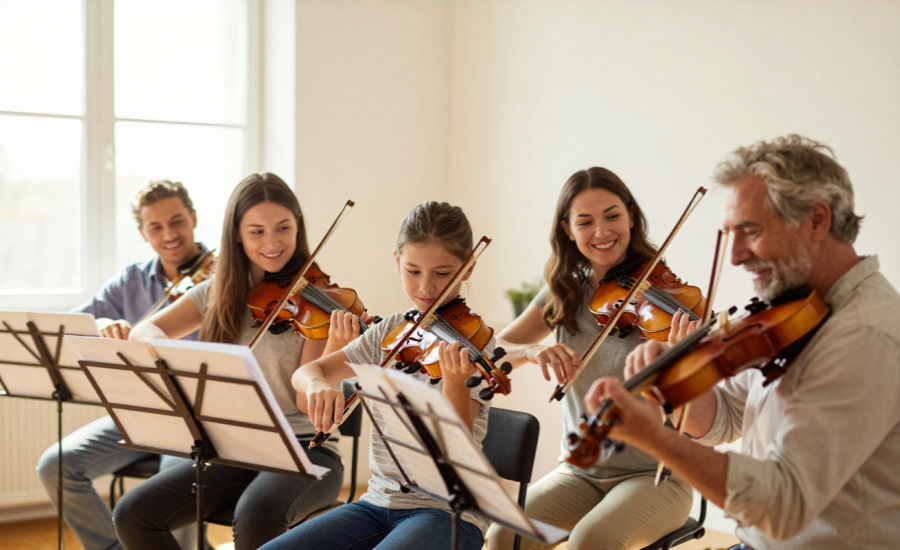
The Joy of Learning Violin at Any Age: It’s Never Too Late to Start Manoj Kumar July 27, 2026 There is something truly magical about the sound of a violin. Its rich, expressive tones can convey joy, nostalgia, excitement, and emotion in ways few instruments can. While many people believe the violin is best learned in childhood, the truth is far more encouraging—it’s never too late to start learning the violin. Whether you’re a parent enrolling your child, a college student exploring a new hobby, or an adult finally pursuing a lifelong dream, learning the violin is a rewarding experience that offers benefits far beyond music. With expert guidance, consistent practice, and the right mindset, anyone can develop this beautiful skill. Why the Violin Continues to Inspire The violin has captivated audiences for centuries, earning its place in classical orchestras, contemporary bands, film scores, folk traditions, and even modern pop music. Its versatility allows musicians to perform across a wide range of genres, making it one of the most expressive instruments to learn. Beyond its musical appeal, the violin teaches patience, discipline, creativity, and perseverance—qualities that enrich every aspect of life. Learning as a Child: Building a Strong Musical Foundation Introducing children to the violin at an early age offers numerous developmental benefits. As they learn to coordinate both hands, read music, and recognise pitch, they naturally improve cognitive and motor skills. Children who learn the violin often develop: Better concentration and memory Improved hand-eye coordination Strong listening skills Greater self-discipline Enhanced creativity and confidence A lifelong appreciation for music Most importantly, learning music teaches children that progress comes through consistent effort—a valuable lesson that extends well beyond the classroom. Adults Can Learn Just as Successfully One of the biggest misconceptions about music education is that adults are “too old” to begin. In reality, adult learners often progress quickly because they bring focus, motivation, and patience to the learning process. Many adults choose to learn the violin because they: Want to fulfil a childhood dream Need a creative outlet after work Wish to reduce stress and improve mental wellbeing Enjoy lifelong learning Want to perform for family and friends Simply love the sound of the violin Unlike children, adult students often have a clear purpose, which helps them remain committed to regular practice. The Benefits Go Beyond Music Learning the violin is about much more than mastering notes and melodies. Regular practice has been shown to improve various aspects of mental and emotional wellbeing. Reduces Stress Playing music encourages relaxation and mindfulness. Focusing on rhythm, bowing, and tone provides a welcome break from daily pressures. Improves Brain Function Reading sheet music, coordinating finger movements, and maintaining rhythm engage multiple areas of the brain simultaneously, supporting memory, concentration, and problem-solving skills. Builds Confidence Every new piece mastered and every improvement achieved becomes a source of personal accomplishment. As students progress, their confidence naturally grows. Encourages Patience The violin requires steady, consistent practice rather than instant perfection. This gradual learning process teaches resilience and persistence—qualities that benefit every area of life. Modern Learning Makes It Easier Than Ever Today’s students have more learning options than ever before. Whether you prefer attending in-person violin lessons or learning from home, professional instruction makes the journey enjoyable and structured. A well-designed violin programme typically includes: Proper posture and instrument handling Bowing techniques Finger placement and intonation Music reading Rhythm and timing Scales and exercises Popular songs and classical pieces Performance preparation Step-by-step guidance helps beginners develop correct techniques from the start, preventing common mistakes that can slow progress later. Consistency Matters More Than Perfection One of the greatest lessons the violin teaches is that improvement happens gradually. Even practising for 20 to 30 minutes several times a week can produce noticeable progress over time. Rather than comparing yourself with others, celebrate your own milestones: Playing your first complete song Producing a clear, consistent tone Reading simple sheet music Mastering new bowing techniques Performing confidently in front of family or an audience Each achievement is a reminder that persistence leads to success. Learning Together as a Family Music has a unique way of bringing people together. Many families now choose to learn instruments alongside their children, turning practice sessions into shared experiences. Parents who learn with their children often discover that music strengthens family bonds, encourages mutual support, and creates lasting memories. Whether it’s playing simple duets or celebrating each new accomplishment, learning together makes the journey even more rewarding. Choosing the Right Violin Teacher The quality of instruction plays a significant role in your progress. An experienced teacher not only explains techniques but also inspires confidence, keeps lessons engaging, and adapts teaching methods to suit each student’s pace and goals. When selecting a violin programme, look for: Experienced and qualified instructors Structured lessons for beginners and advanced learners Individual attention and personalised guidance Flexible class schedules Regular performance opportunities A supportive and encouraging learning environment The right teacher transforms learning from a challenge into an enjoyable and fulfilling experience. Final Thoughts The violin is more than just a musical instrument—it’s a lifelong companion that nurtures creativity, patience, confidence, and emotional expression. Whether you’re five or fifty-five, beginning your musical journey today can open the door to new skills, unforgettable experiences, and a deeper appreciation for the art of music. Remember, every accomplished violinist once played their very first note. The only perfect time to begin is now. If you’ve always dreamed of playing the violin, don’t let age or experience hold you back. With expert guidance, regular practice, and a passion for learning, you’ll soon discover the joy of creating beautiful music—one note at a time. Tags : Share This : Recent Posts The Joy of Learning Violin at Any Age: It’s Never Too Late to StartJuly 27, 2026 Music and Mental Health: How Learning an Instrument Can Boost Your Well-beingJune 17, 2026 From Bedroom to Stage: How Music Classes Online Are Creating Confident PerformersMarch 27, 2026 Categories Violin Classes Singing Journey Online