

Why Every Child Should Experience Music Education at an Early Age
The Joy of Learning Violin at Any Age: It’s Never Too Late to Start
Manoj Kumar
July 20, 2026
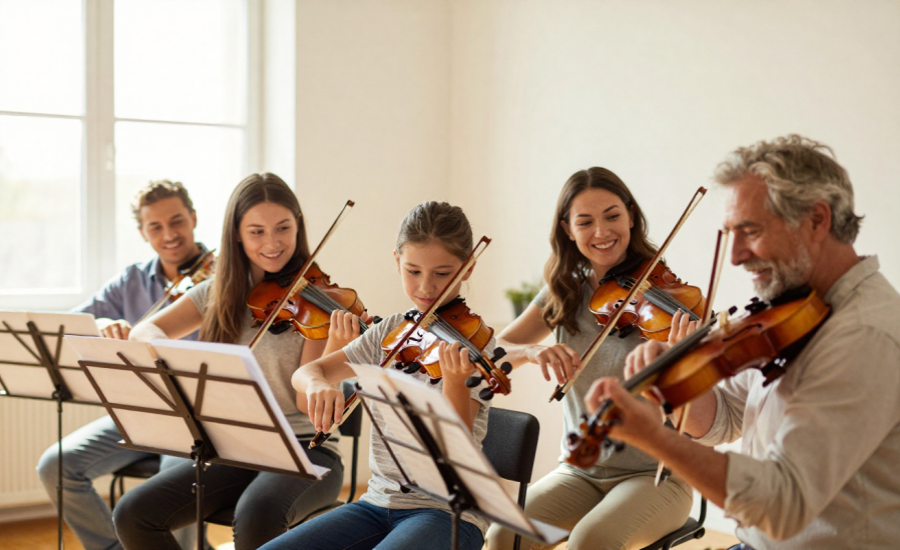
There is something truly magical about the sound of a violin. Its rich, expressive tones can convey joy, nostalgia, excitement, and emotion in ways few instruments can. While many people believe the violin is best learned in childhood, the truth is far more encouraging—it’s never too late to start learning the violin.
Whether you’re a parent enrolling your child, a college student exploring a new hobby, or an adult finally pursuing a lifelong dream, learning the violin is a rewarding experience that offers benefits far beyond music. With expert guidance, consistent practice, and the right mindset, anyone can develop this beautiful skill.
Why the Violin Continues to Inspire
The violin has captivated audiences for centuries, earning its place in classical orchestras, contemporary bands, film scores, folk traditions, and even modern pop music. Its versatility allows musicians to perform across a wide range of genres, making it one of the most expressive instruments to learn.
Beyond its musical appeal, the violin teaches patience, discipline, creativity, and perseverance—qualities that enrich every aspect of life.
Learning as a Child: Building a Strong Musical Foundation
Introducing children to the violin at an early age offers numerous developmental benefits. As they learn to coordinate both hands, read music, and recognise pitch, they naturally improve cognitive and motor skills.
Children who learn the violin often develop:
- Better concentration and memory
- Improved hand-eye coordination
- Strong listening skills
- Greater self-discipline
- Enhanced creativity and confidence
- A lifelong appreciation for music
Most importantly, learning music teaches children that progress comes through consistent effort—a valuable lesson that extends well beyond the classroom.
Adults Can Learn Just as Successfully
One of the biggest misconceptions about music education is that adults are “too old” to begin. In reality, adult learners often progress quickly because they bring focus, motivation, and patience to the learning process.
Many adults choose to learn the violin because they:
- Want to fulfil a childhood dream
- Need a creative outlet after work
- Wish to reduce stress and improve mental wellbeing
- Enjoy lifelong learning
- Want to perform for family and friends
- Simply love the sound of the violin
Unlike children, adult students often have a clear purpose, which helps them remain committed to regular practice.
The Benefits Go Beyond Music
Learning the violin is about much more than mastering notes and melodies. Regular practice has been shown to improve various aspects of mental and emotional wellbeing.
Reduces Stress
Playing music encourages relaxation and mindfulness. Focusing on rhythm, bowing, and tone provides a welcome break from daily pressures.
Improves Brain Function
Reading sheet music, coordinating finger movements, and maintaining rhythm engage multiple areas of the brain simultaneously, supporting memory, concentration, and problem-solving skills.
Builds Confidence
Every new piece mastered and every improvement achieved becomes a source of personal accomplishment. As students progress, their confidence naturally grows.
Encourages Patience
The violin requires steady, consistent practice rather than instant perfection. This gradual learning process teaches resilience and persistence—qualities that benefit every area of life.
Modern Learning Makes It Easier Than Ever
Today’s students have more learning options than ever before. Whether you prefer attending in-person violin lessons or learning from home, professional instruction makes the journey enjoyable and structured.
A well-designed violin programme typically includes:
- Proper posture and instrument handling
- Bowing techniques
- Finger placement and intonation
- Music reading
- Rhythm and timing
- Scales and exercises
- Popular songs and classical pieces
- Performance preparation
Step-by-step guidance helps beginners develop correct techniques from the start, preventing common mistakes that can slow progress later.
Consistency Matters More Than Perfection
One of the greatest lessons the violin teaches is that improvement happens gradually. Even practising for 20 to 30 minutes several times a week can produce noticeable progress over time.
Rather than comparing yourself with others, celebrate your own milestones:
- Playing your first complete song
- Producing a clear, consistent tone
- Reading simple sheet music
- Mastering new bowing techniques
- Performing confidently in front of family or an audience
Each achievement is a reminder that persistence leads to success.
Learning Together as a Family
Music has a unique way of bringing people together. Many families now choose to learn instruments alongside their children, turning practice sessions into shared experiences.
Parents who learn with their children often discover that music strengthens family bonds, encourages mutual support, and creates lasting memories. Whether it’s playing simple duets or celebrating each new accomplishment, learning together makes the journey even more rewarding.
Choosing the Right Violin Teacher
The quality of instruction plays a significant role in your progress. An experienced teacher not only explains techniques but also inspires confidence, keeps lessons engaging, and adapts teaching methods to suit each student’s pace and goals.
When selecting a violin programme, look for:
- Experienced and qualified instructors
- Structured lessons for beginners and advanced learners
- Individual attention and personalised guidance
- Flexible class schedules
- Regular performance opportunities
- A supportive and encouraging learning environment
The right teacher transforms learning from a challenge into an enjoyable and fulfilling experience.
Final Thoughts
The violin is more than just a musical instrument—it’s a lifelong companion that nurtures creativity, patience, confidence, and emotional expression. Whether you’re five or fifty-five, beginning your musical journey today can open the door to new skills, unforgettable experiences, and a deeper appreciation for the art of music.
Remember, every accomplished violinist once played their very first note. The only perfect time to begin is now.
If you’ve always dreamed of playing the violin, don’t let age or experience hold you back. With expert guidance, regular practice, and a passion for learning, you’ll soon discover the joy of creating beautiful music—one note at a time.
Have Any Question?
Learn guitar, keyboard, vocals, drums and music production with expert trainers today.
- +91-87776 29296
- deyzmusic5@gmail.com